10 Native Shrubs suited to the central NSW climate, and 5 exotic alternatives
As a landscape architect working in central New South Wales, clients frequently ask me to recommend shrubs that will thrive in our climate. While the best shrubs for any garden will vary according to the site's specific conditions, such as the amount of sun and shade, soil type, and irrigation availability, there are a few species that are well-suited to the climate and growing conditions of central New South Wales.
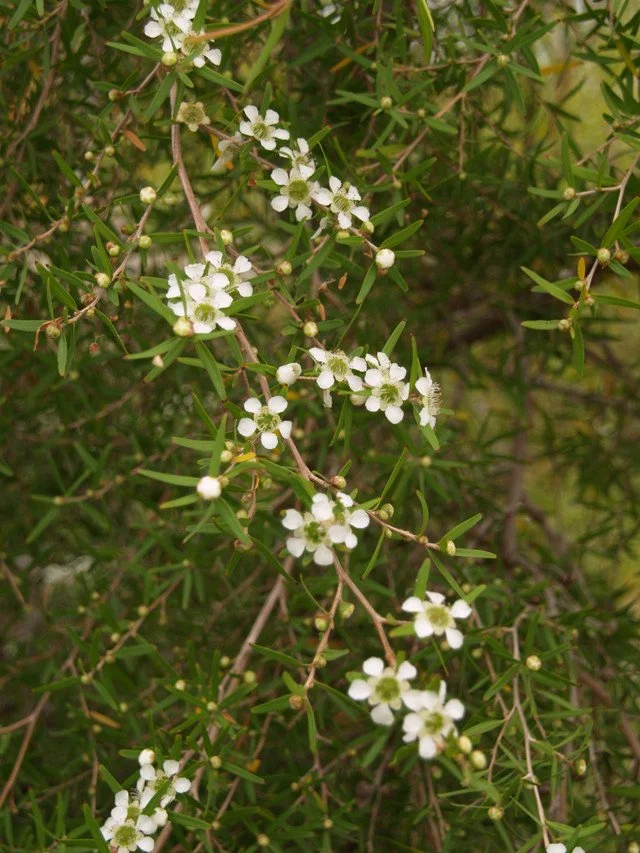
The lemon scented tea tree, Leptospermum petersonii, is a large shrub or small tree that is drought-tolerant, frost-hardy, and adaptable to a variety of soil types. It blooms in the spring and summer with small white or pink flowers and has a strong lemon aroma. It is frequently used for screening, but it can also be used as a feature plant. Leptopspermum rotundifolium is another popular species to consider.
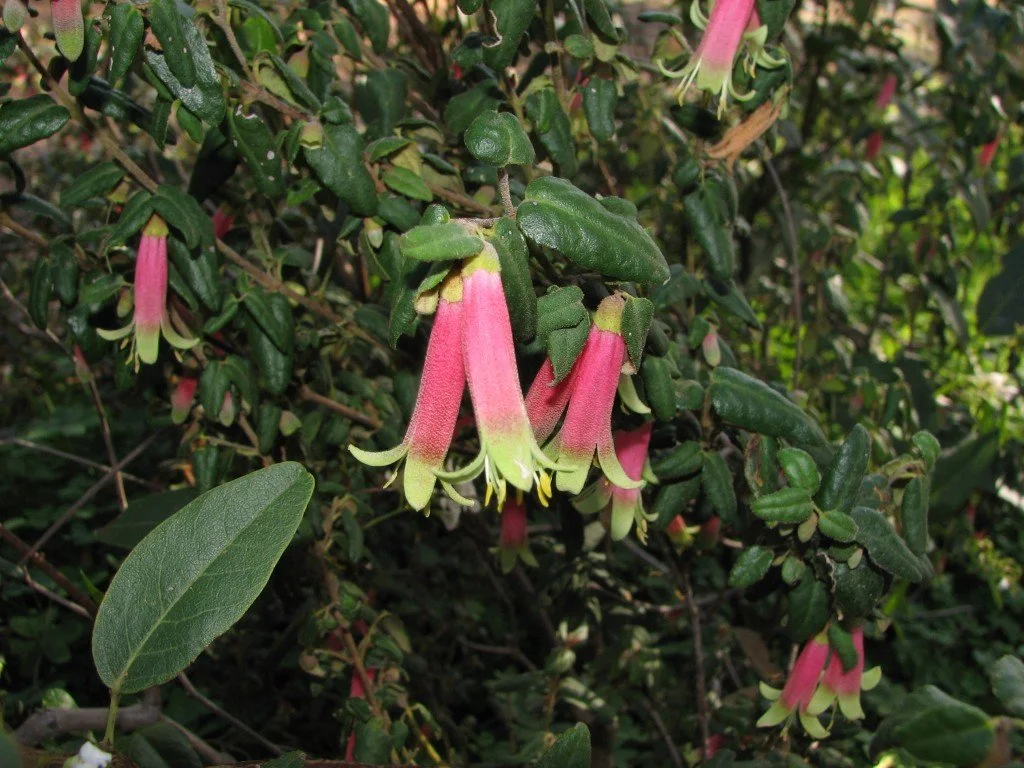
Correa reflexa, also known as native fuchsia, is a low-maintenance shrub that thrives in dry, sunny gardens. Hummingbirds adore its small, bell-shaped flowers. It is drought resistant and can withstand light frost.
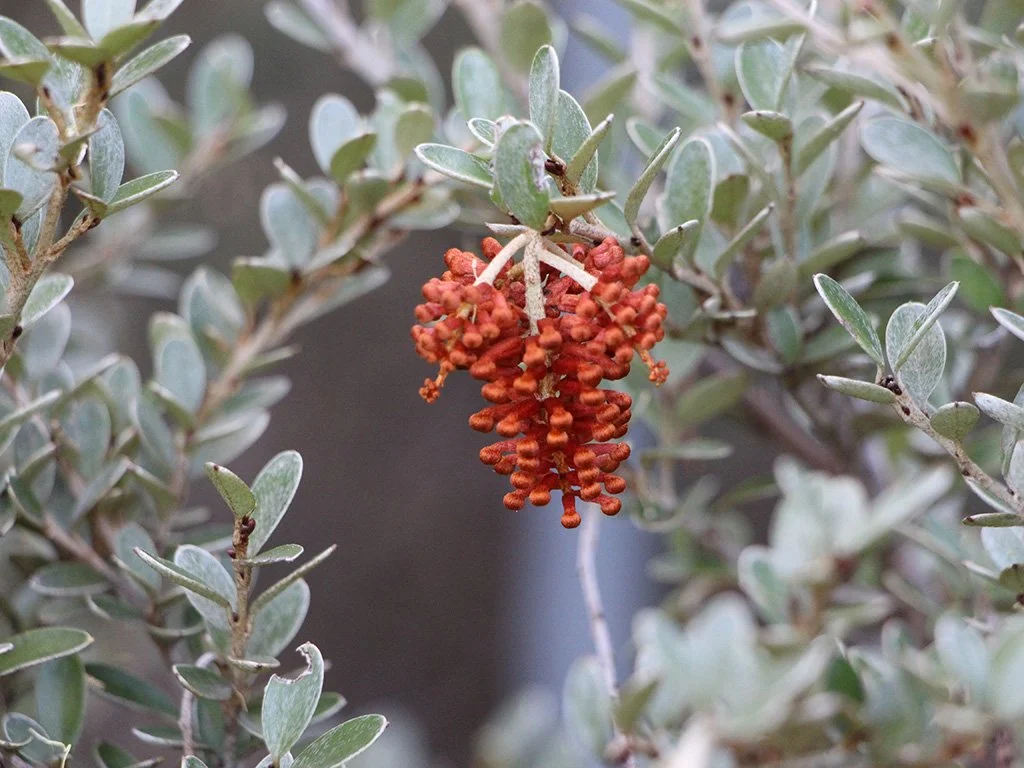
Grevillea diminuta, also known as rosemary grevillea, is a tough, drought-tolerant shrub with small, red flowers that bloom all year. It thrives in dry, sunny gardens and can withstand dry spells. It grows in a variety of soil types and can withstand heavy frost.
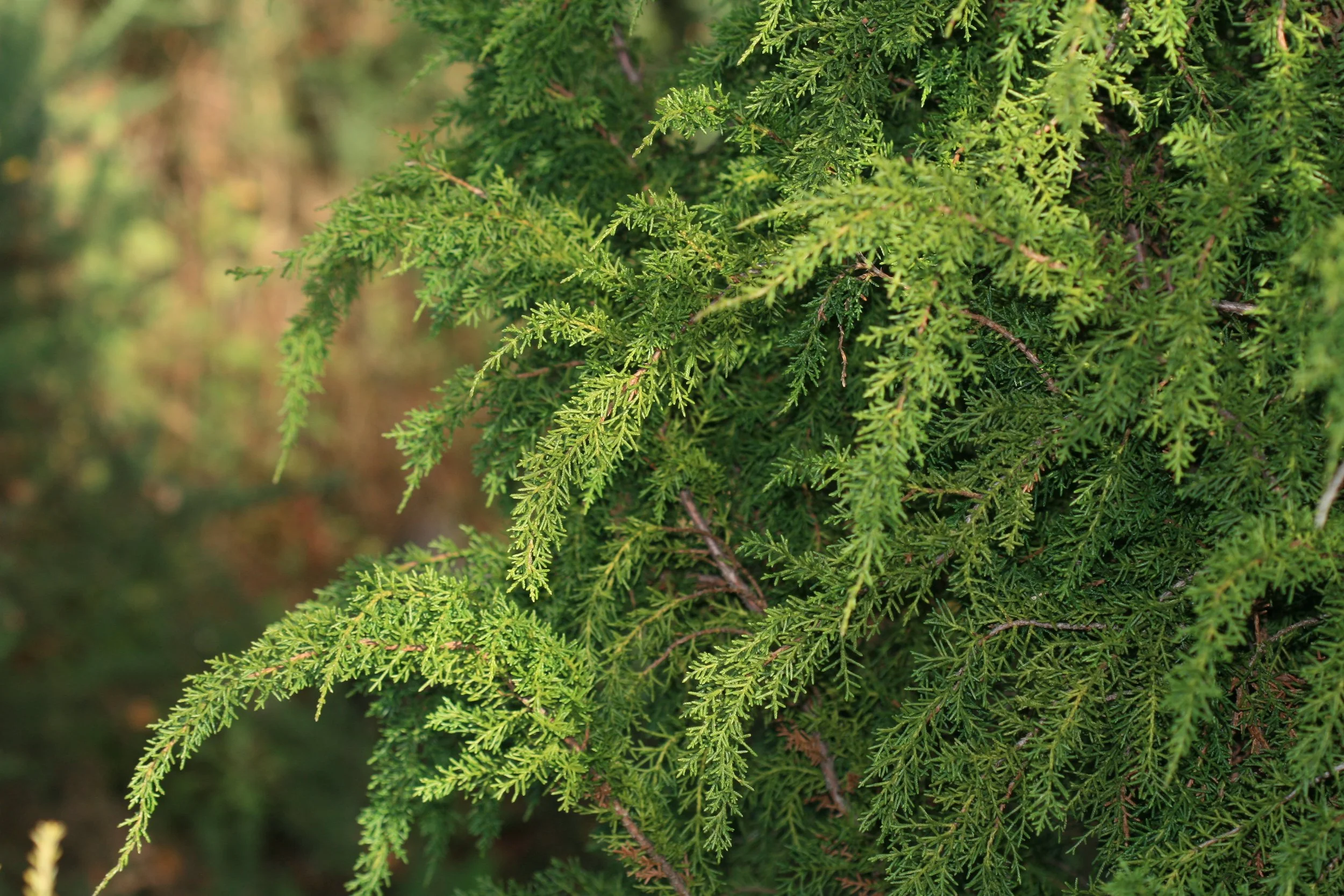
Diselma archeri, also known as the Dwarf Pine, is a small, evergreen shrub found in Victoria and New South Wales' alpine and sub-alpine regions. The plant is typically found growing in well-drained rocky outcrops and talus slopes. It is also known to be frost-resistant. While it is a distinctive native plant, it grows slowly and is best used as an ornamental shrub rather than for screening.
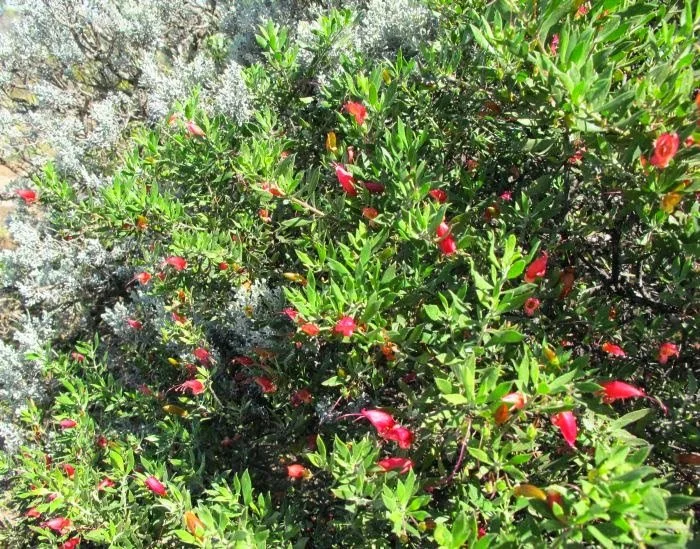
Emu bush, also known as Eremophila decipiens, is a hardy, drought-tolerant shrub with showy, large, tubular flowers in a variety of colours and attractive, grey-green leaves. This species is drought-tolerant, preferring well-drained soil, and can withstand light frost.
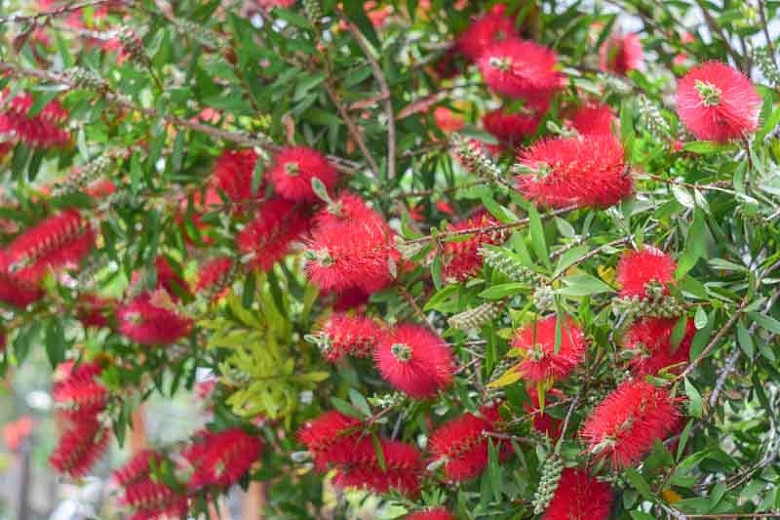
Callistemon citrinus, or crimson bottlebrush, is another native species that is well-suited to central New South Wales. It is a hardy shrub with showy red flowers that attract nectar-feeding birds. It is drought-tolerant and can handle light frost. Alternatively, some Callistemon viminalis cultivars are also perfect for central NSW conditions.
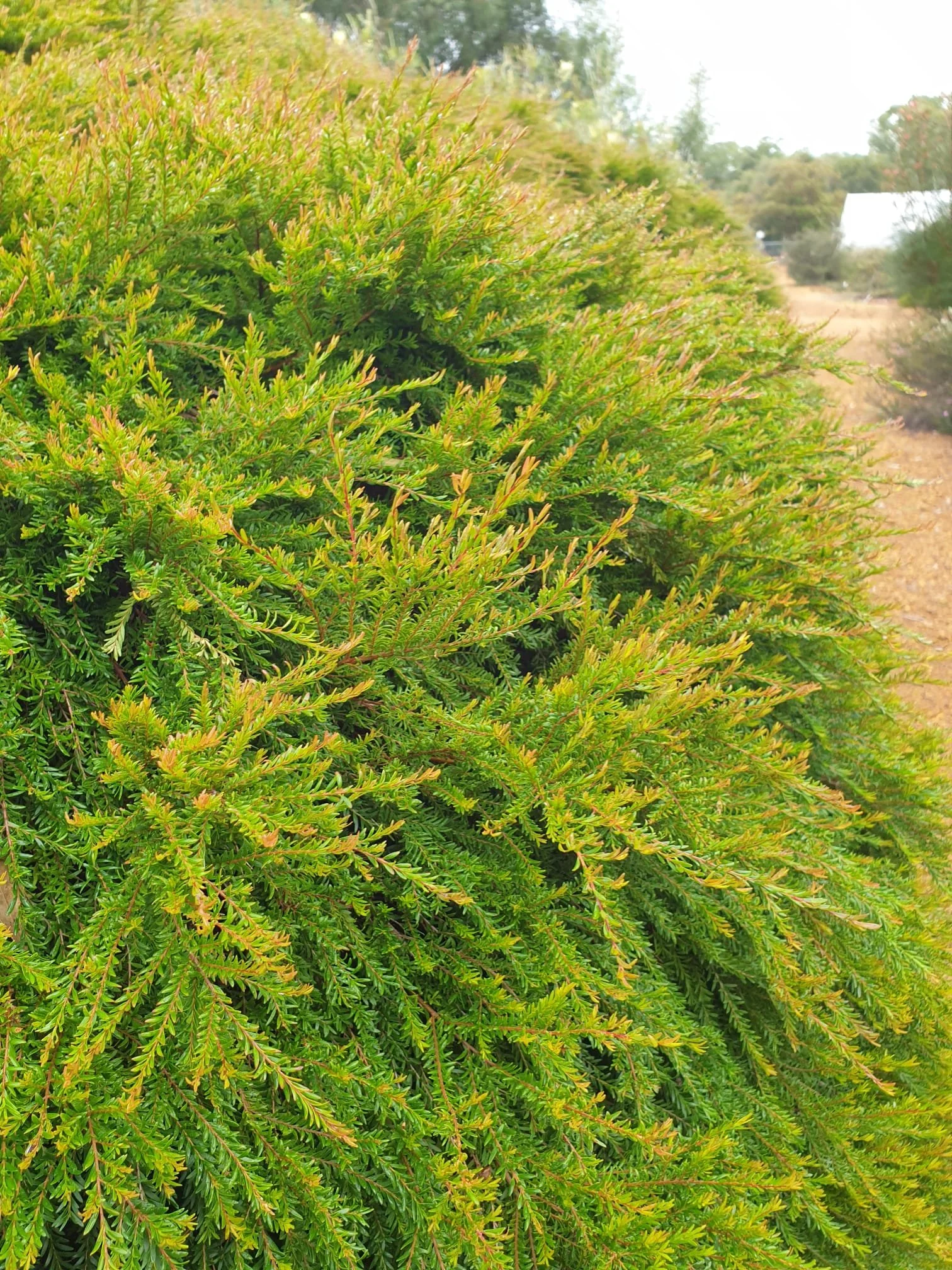
Baeckea virgata is a small, evergreen shrub that has a rounded habit. It makes an excellent hedge due to its dense foliage. It has soft, linear leaves that begin bronze and mature to a mid-green colour. Baeckea virgata produces masses of small, white, dainty flowers that are lightly scented with honey in late spring and summer. Bees and butterflies are drawn to the flowers. This plant is suitable for both coastal and inland environments. It is frost resistant and can grow in both well-drained and wet soils.
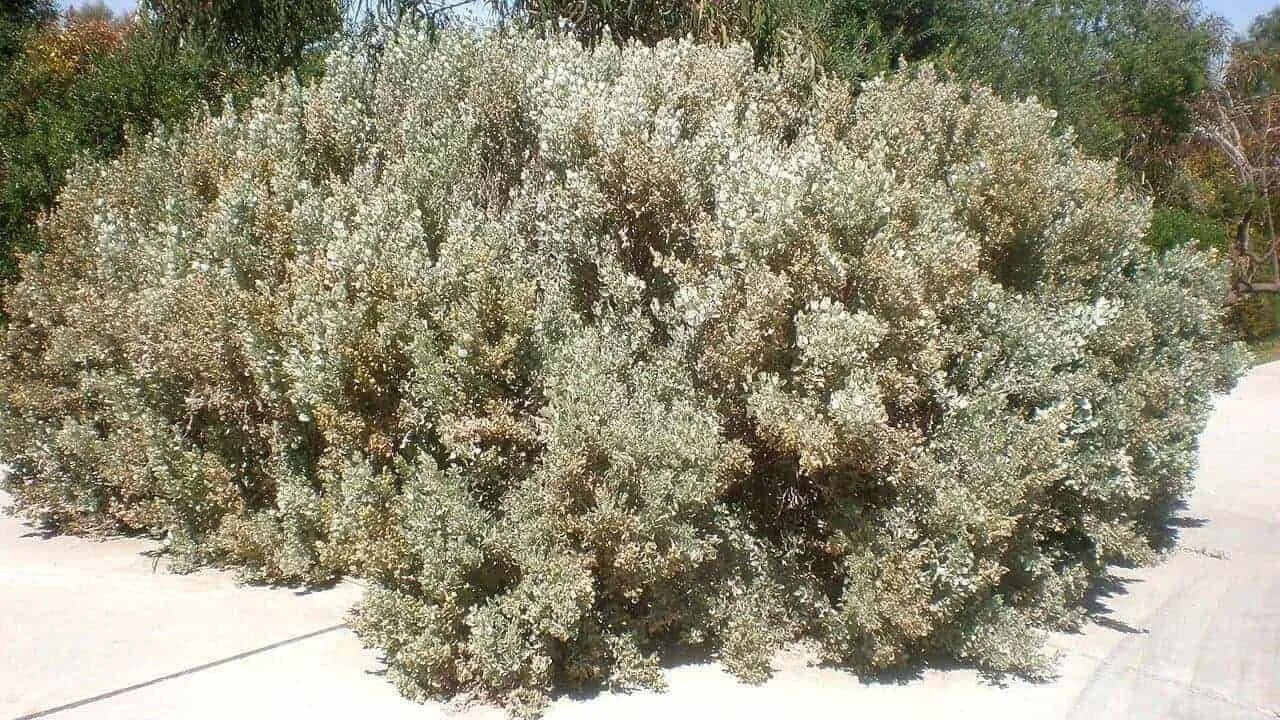
Atriplex nummularia, also known as Old man saltbush, is a small, evergreen shrub that is native to arid regions of Australia. The plant has grey-green leaves that are small and round or oval in shape. While old man saltbush is known for its tolerance of coastal sea winds and salty soils. It is also tolerant of drought and frost, making it a hardy and low-maintenance shrub for inland NSW. The plant's leaves are edible, and are used in native bush food. It is an important plant for wildlife, providing habitat and food for a wide range of animals such as kangaroos, emus, and various types of birds. Old man saltbush is relatively slow-growing, making it well suited for use as a low hedge, a specimen plant, or as an accent in rock gardens.
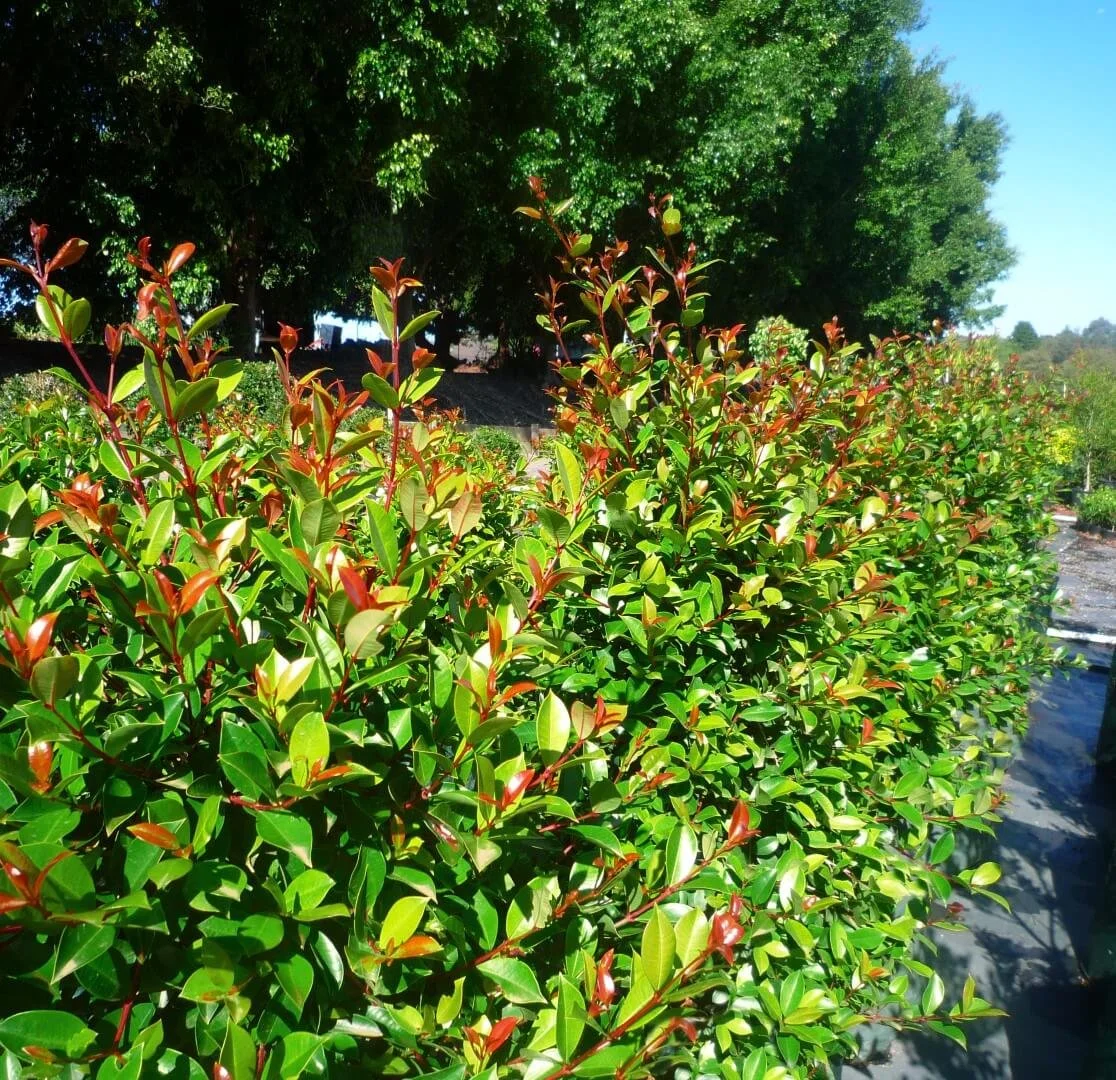
Syzygium australe, or lilly pilly, is a small shrub to medium-sized tree with glossy, dark green leaves and small, white flowers that attract nectar-feeding birds. There are a wide selection of cultivars which offer a variety of sizes to suit any garden. These cultivars are often drought-tolerant and can often handle light frost.
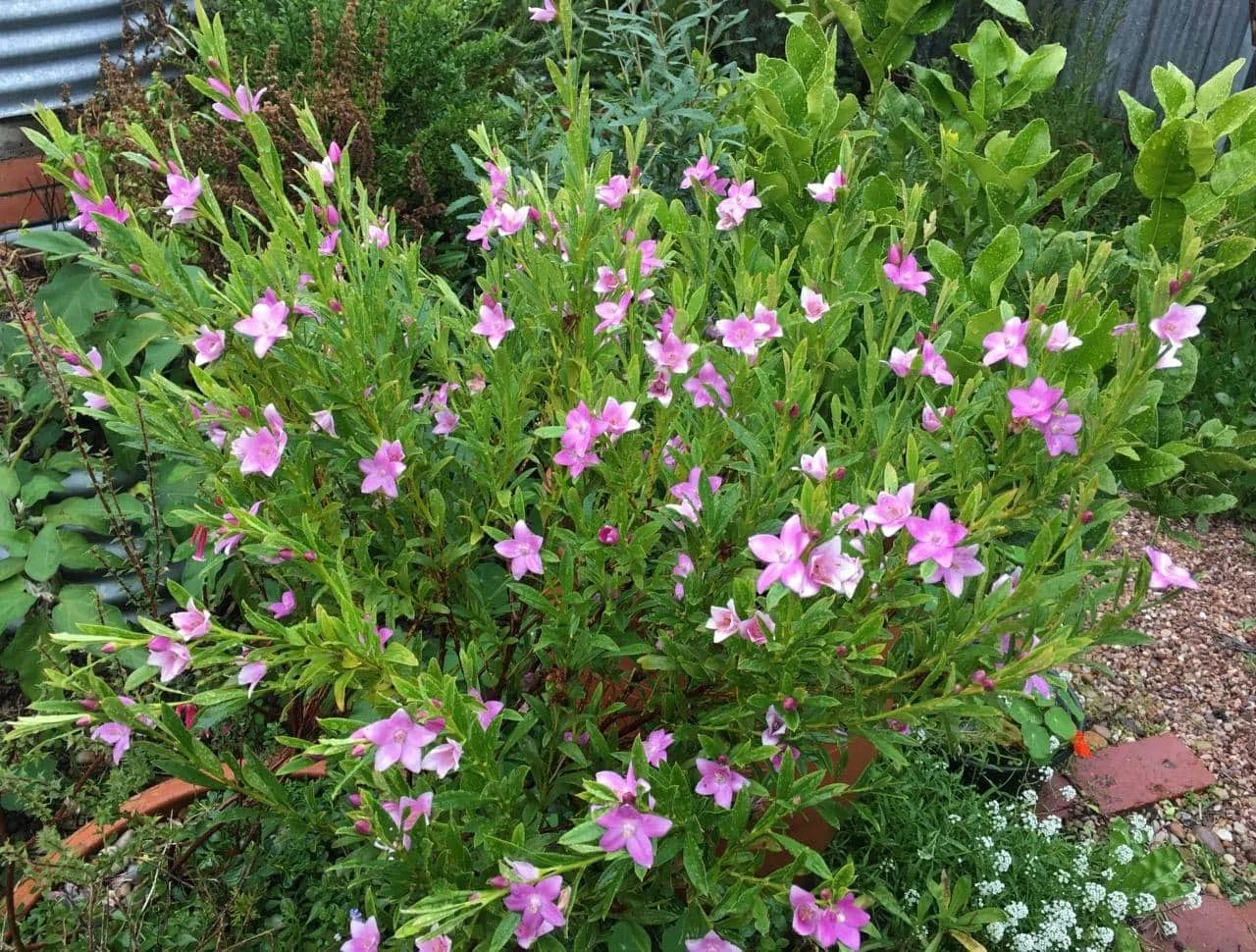
Crowea saligna, also known as the Willow-Leafed Crowea is a small and evergreen shrub that loves to round out in shape, reaching up to around one metre tall. It has glossy, deep green and elliptical leaves, and pretty mauve to pink star-shaped flowers that adorn each branch during the cooler months. A true autumn and winter sensation. This plant will do well in sunny and semi-shaded areas and a great cut flower too, it's low maintenance, is frost hardy and withstands drought, making it the perfect addition to any garden.
While native plants are frequently well-suited to local growing conditions and can provide important ecosystem services, there may be times when exotic species are required. Exotic species, which have been in cultivation for a very long time and selected for specific ornamental characteristics such as vibrant flowers, unique foliage, or small sizes that make them more amenable to specific design uses, can also be used to add variety and interest to a landscape, with unique foliage and flowers. Furthermore, some exotic species may be more disease and pest resistant than native species, particularly in urban environments where diseases and pests are more concentrated and spread more easily.
It is important to note that exotic plants should be used with caution because some exotic species can become invasive, outcompeting native plants and disrupting ecosystem functions. The ecological and design implications of introducing exotic plants should always be carefully considered, and best practise is to use a combination of native and exotic plants that are appropriate for the specific site.
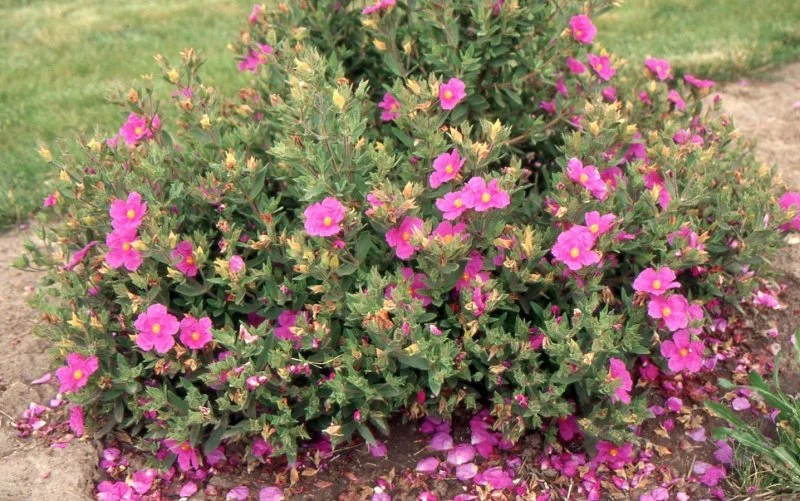
Cistus x pulverulentus, also known as rockrose or gum cistus, is a hybrid evergreen shrub that can grow up to 2-3 meters tall, with a wide spreading habit. It is very drought-tolerant, prefers well-drained soils and full sun and is a very low maintenance plant once established. Rockrose is a beautiful addition to any Mediterranean-inspired garden and rock gardens. It is a popular plant for use as a hedge or ascend, but due to its tolerance to dry soils and heat, it's also well-suited for xeriscaping. It's hardy in milder climates and can tolerate frost, but it's not suitable for very cold climates.
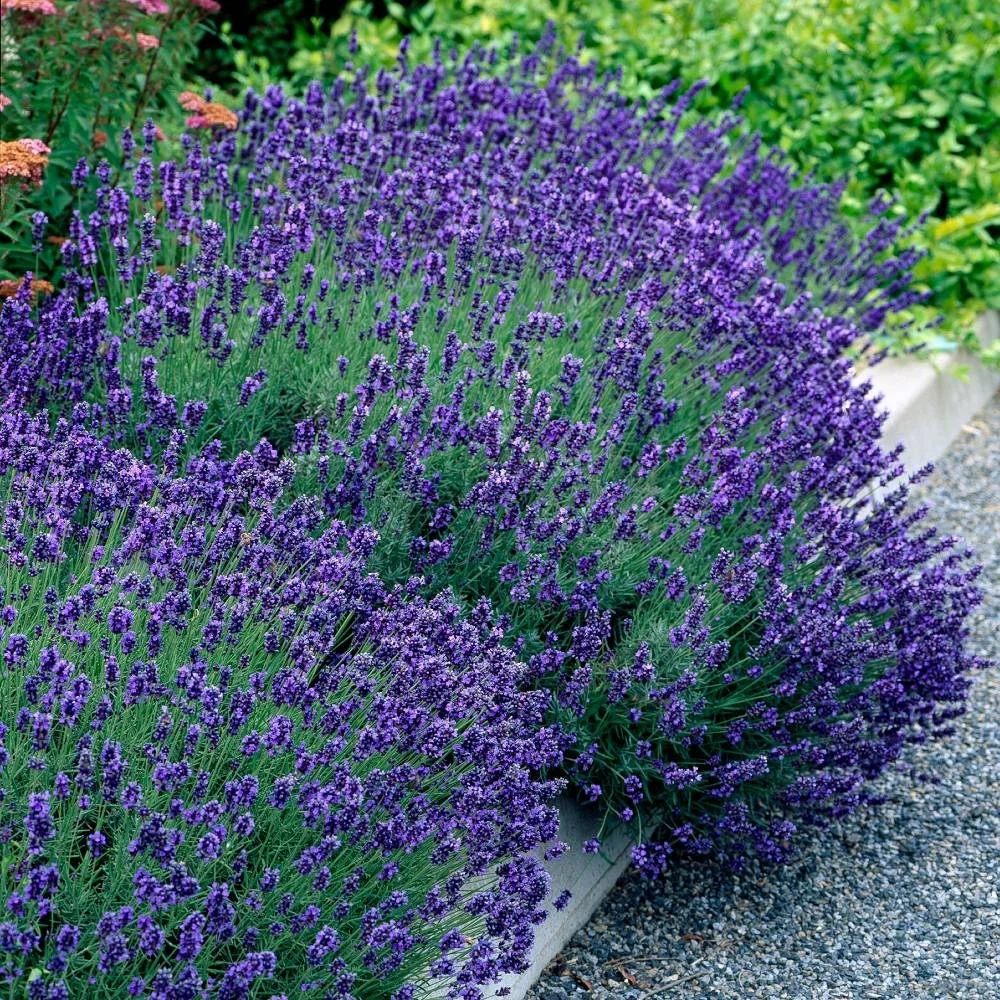
Lavandula angustifolia, also known as English lavender, is a small, perennial shrub that is native to the Mediterranean region. It is grown worldwide for its fragrant foliage and lovely flowers. It can handle light frosts, but may need protection from very cold temperatures.
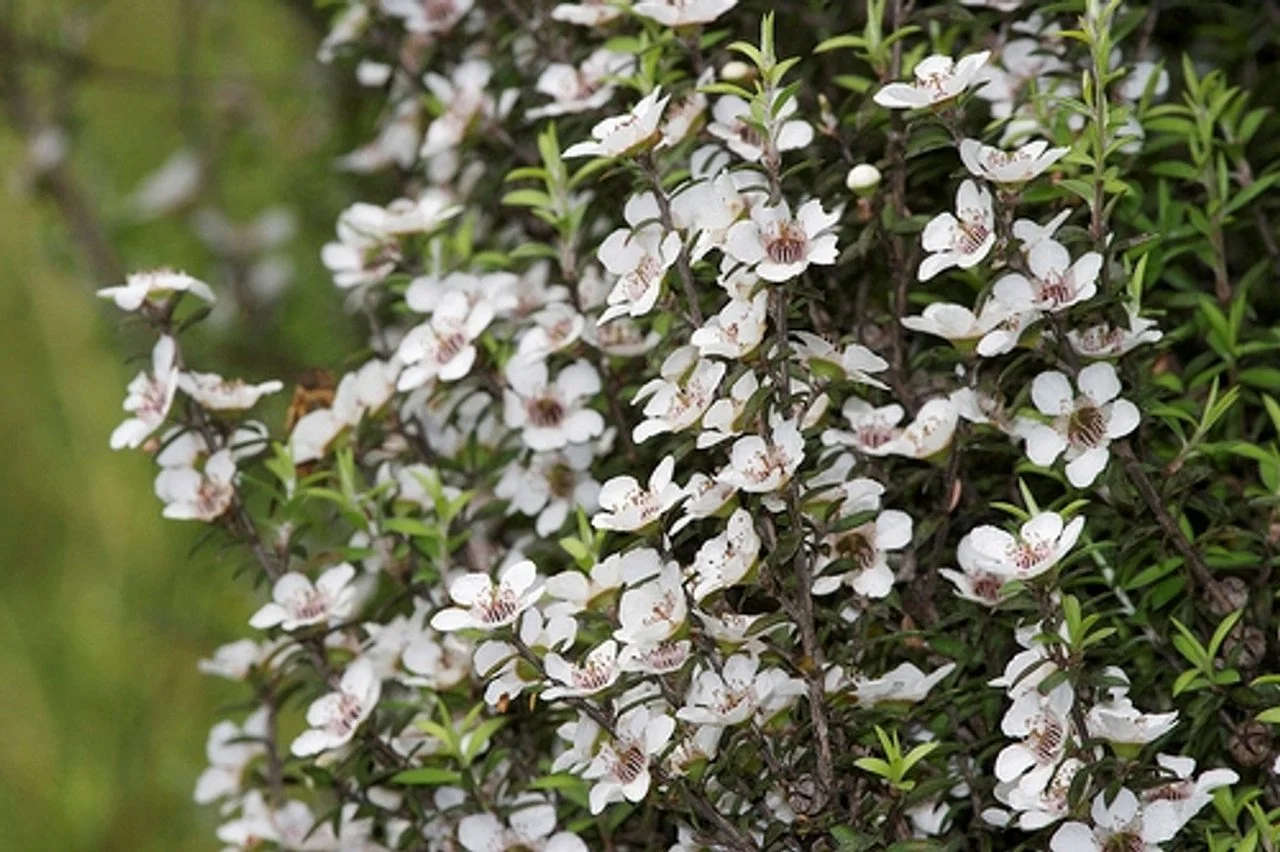
Leptospermum scoparium, also known as tea tree or manuka, is a small shrub or tree native to New Zealand. It is adaptable to different soil types, but prefers well-drained soils and full sun. It's drought tolerant, but can also tolerate damp soils and short-term flooding. It is frost hardy and can tolerate exposed locations, making it a popular choice for landscaping in those areas. The leaves of Leptospermum scoparium are small and narrow, with a dark green glossy appearance. The plant produces small, white or pink, five-petaled flowers that bloom in spring and summer, which are followed by small, woody capsules.
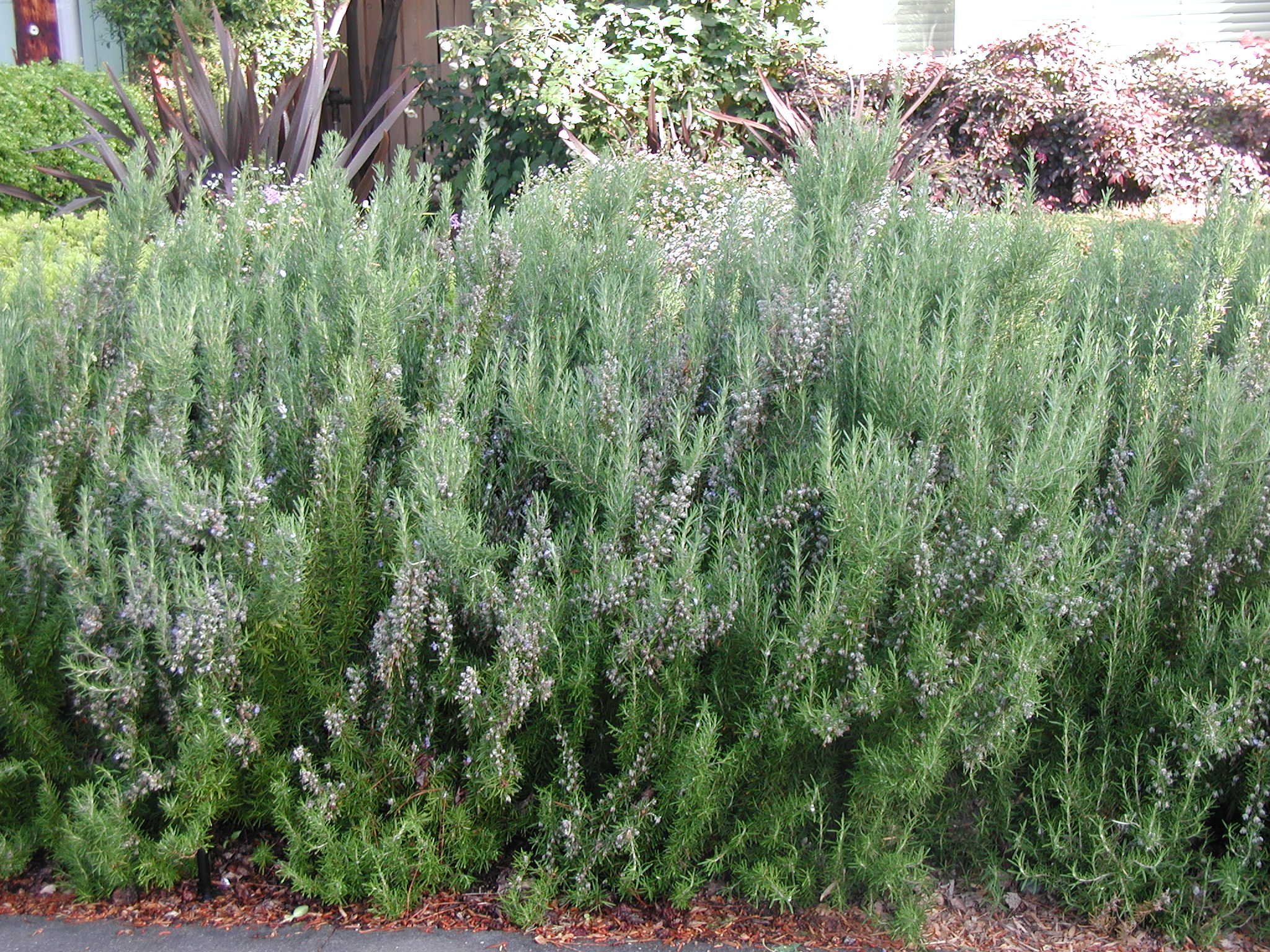
Rosmarinus officinalis, commonly known as rosemary, is a small evergreen shrub or perennial herb native to the Mediterranean region. Its drought-tolerant and can be grown in a variety of soils and well suited for central New South Wales. It is frost-hardy.
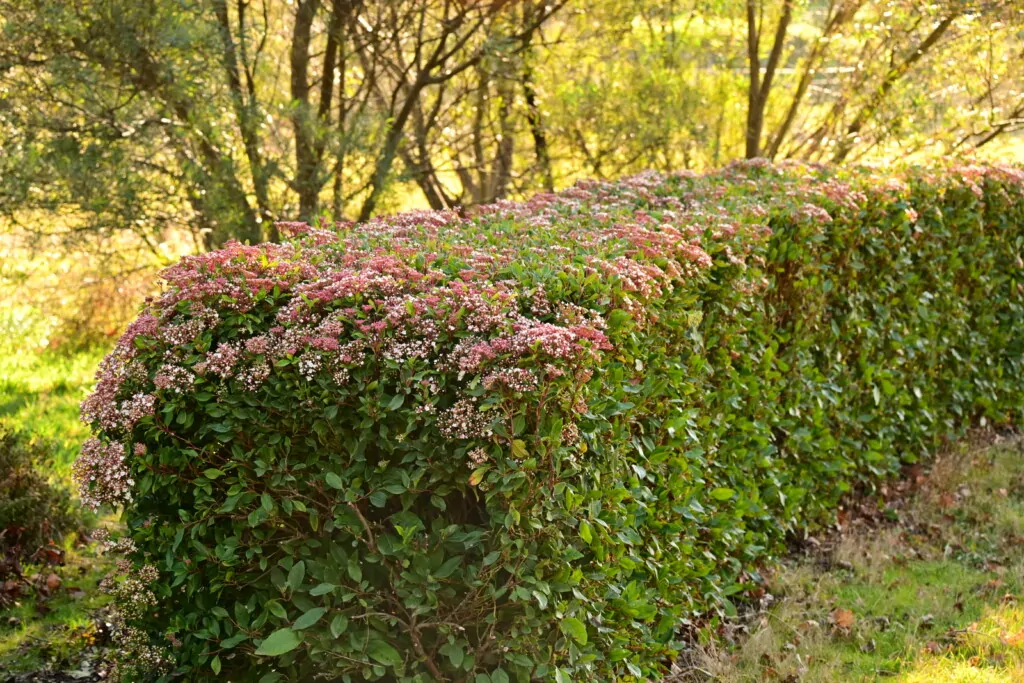
Viburnum tinus is an evergreen shrub that is native to the Mediterranean region and Western Europe. It is also known as laurustinus or laurestine. Viburnum makes a great specimen plant or hedge, and it can also be used as an informal or formal garden border, in naturalistic or woodland planting and in rock gardens. The plant is adaptable to a range of soil types and it is relatively drought-tolerant, but prefers well-drained soils and partial sun to full sun. It is frost hardy, and can tolerate temperatures as low as -10°C. It has small white or pink flowers that bloom in the winter and spring, making it popular for attracting wildlife such as bees, butterflies, while its berries provide food for birds.
These are just a few of the many shrubs that are well-suited to gardens in central New South Wales. As a landscape architect, I always recommend researching the specific care requirements and growing conditions for any plant before adding it to your garden, to ensure that it will thrive in its new home.