
Insights
Insights
Take a moment away from your work. Have a look at our experiences and how we want to change the way we design
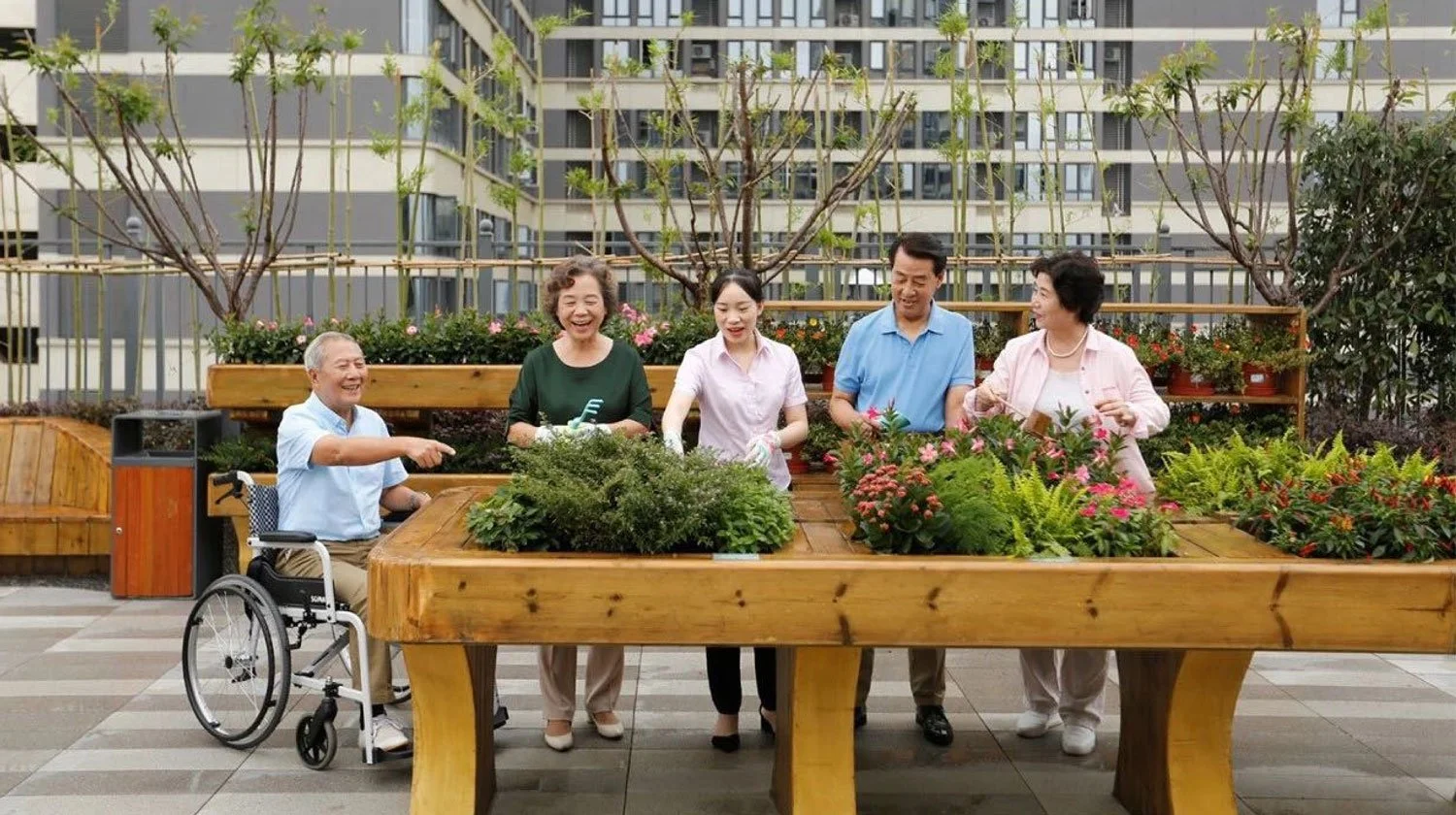
accessible public spaces: why dda compliance is only the starting point
Designing for accessibility is not about minimum standards. It is about creating public spaces that work comfortably for everyone.
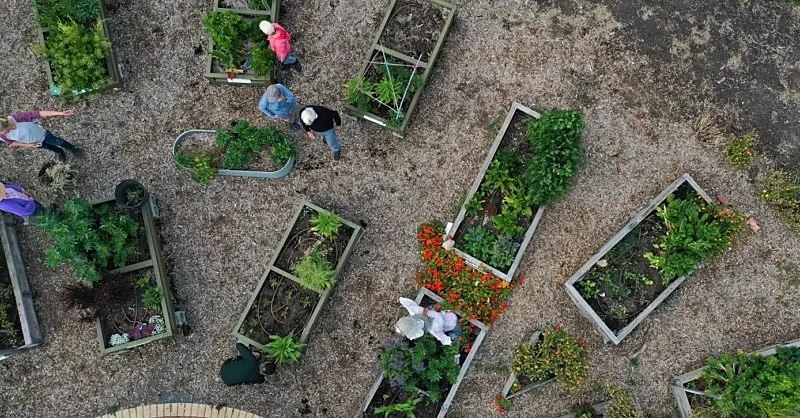
Designing a Successful Community Garden: Key Factors for a growing community
Recently, I have had the opportunity to work on a Community Garden design as part of a pro-bono agreement with a local community group. As a landscape architect, we have the opportunity to create beautiful and functional community spaces that bring people together and promote a sense of community. Community gardens are a great example of such spaces, and they offer a unique set of challenges and opportunities. To create a successful community garden, there are several key factors that you should consider in the design process.
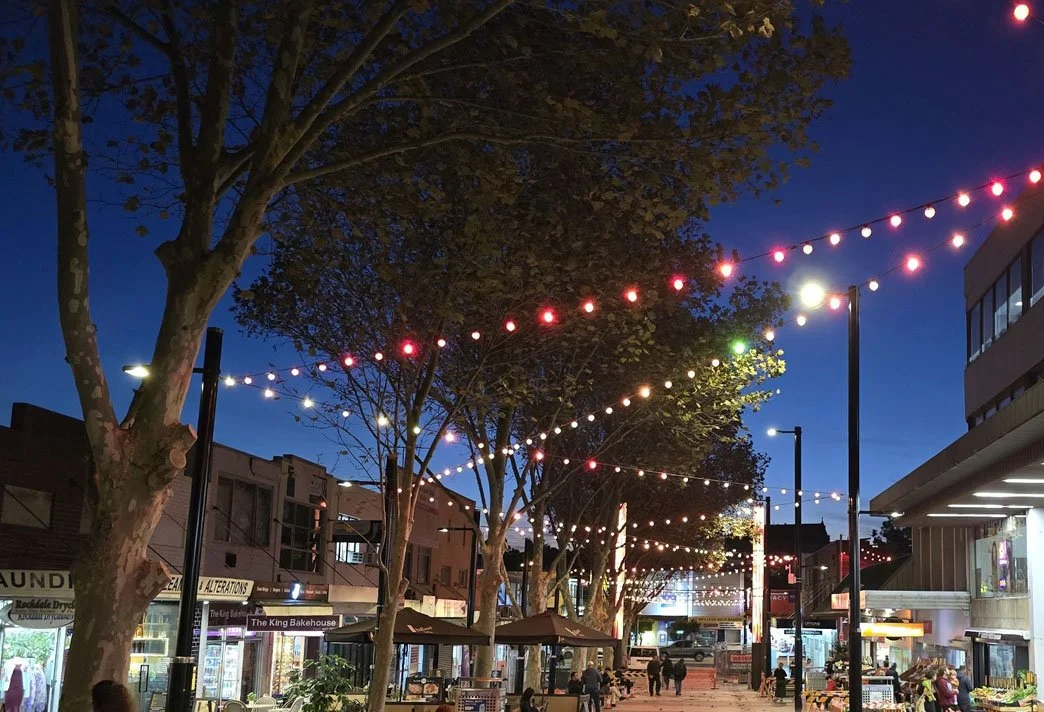
Designing Cities That Care: What Happens When Women and Girls Shape the Urban Agenda
Designing cities through the lens of women and girls reveals the hidden gaps in how we plan, move and share public space. When fear and care are acknowledged as real design drivers, cities become safer, more inclusive and more humane for everyone.
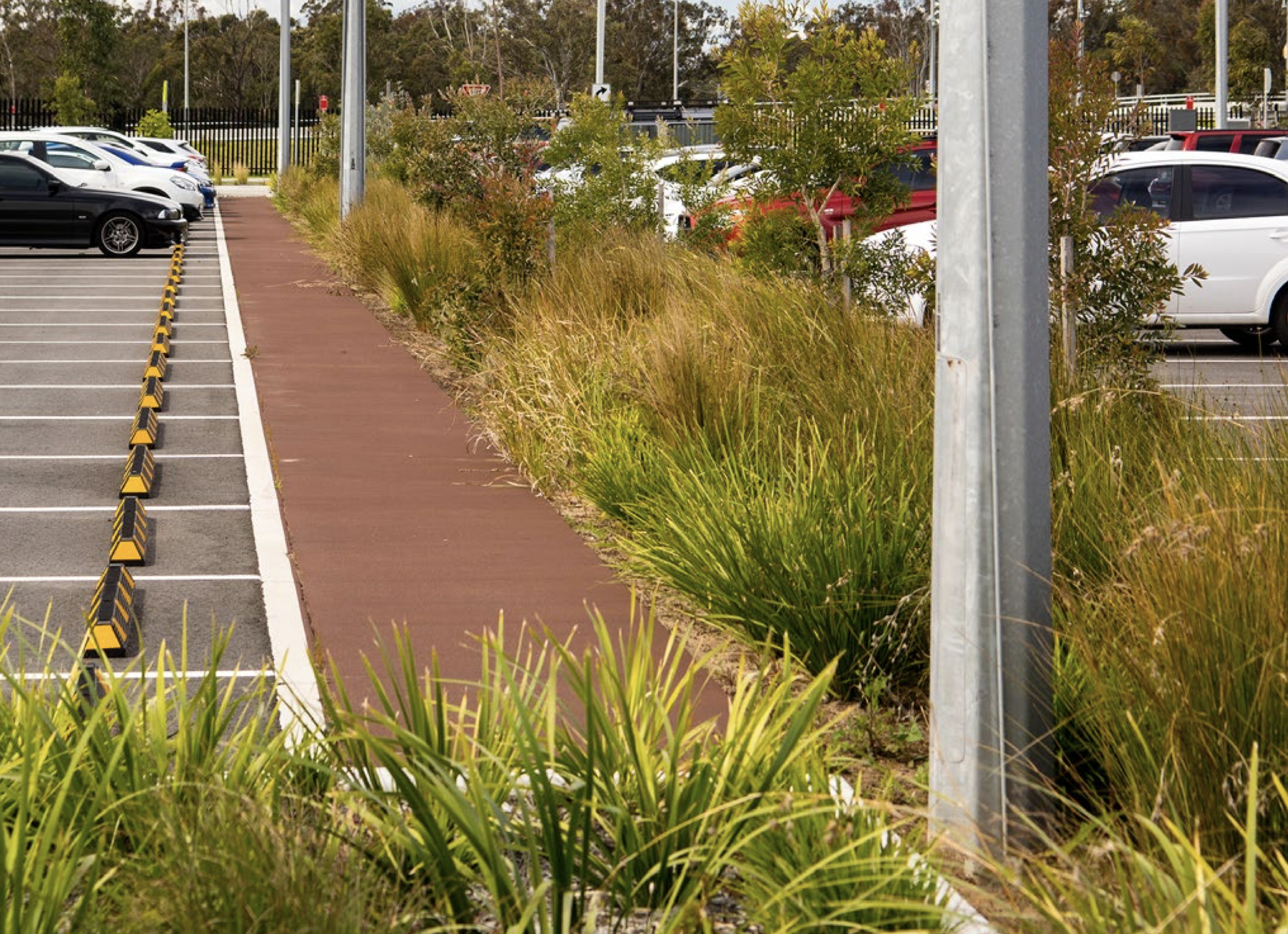
Designing with Water in Mind: Integrating WSUD into Transport and Civic Landscapes
Water sensitive urban design is reshaping how infrastructure performs across NSW. When stormwater is treated as an asset rather than a constraint, transport corridors and public spaces can deliver cleaner waterways, stronger landscapes and greater long term value.
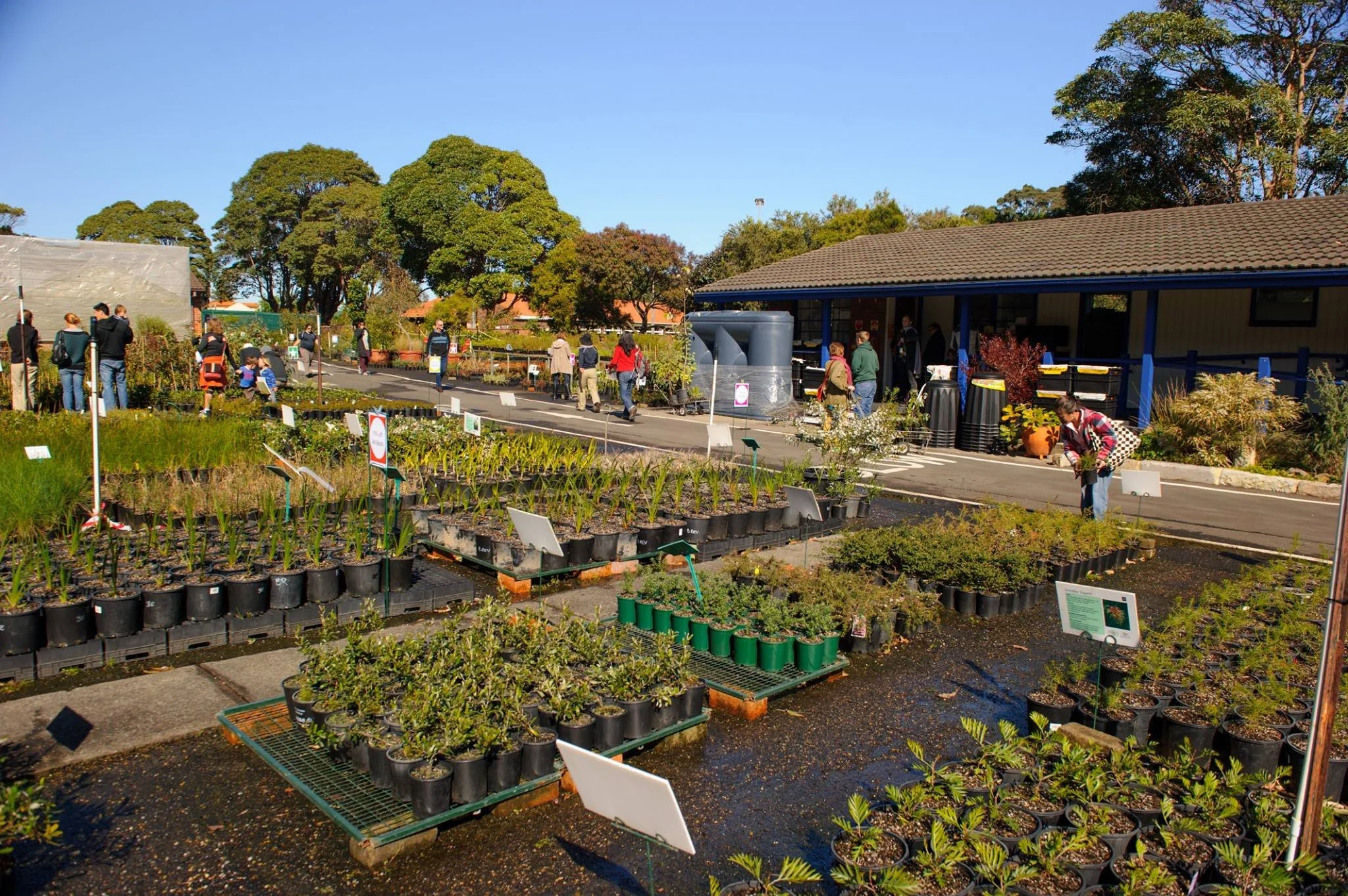
Randwick’s Living Palette: Designing Streets and Parks That Feel Like Country
Behind every successful street or park is a plant palette doing heavy lifting. Drawing on Randwick’s living landscape, this article looks at how thoughtful plant selection can shape comfort, biodiversity and a sense of belonging across the public realm.
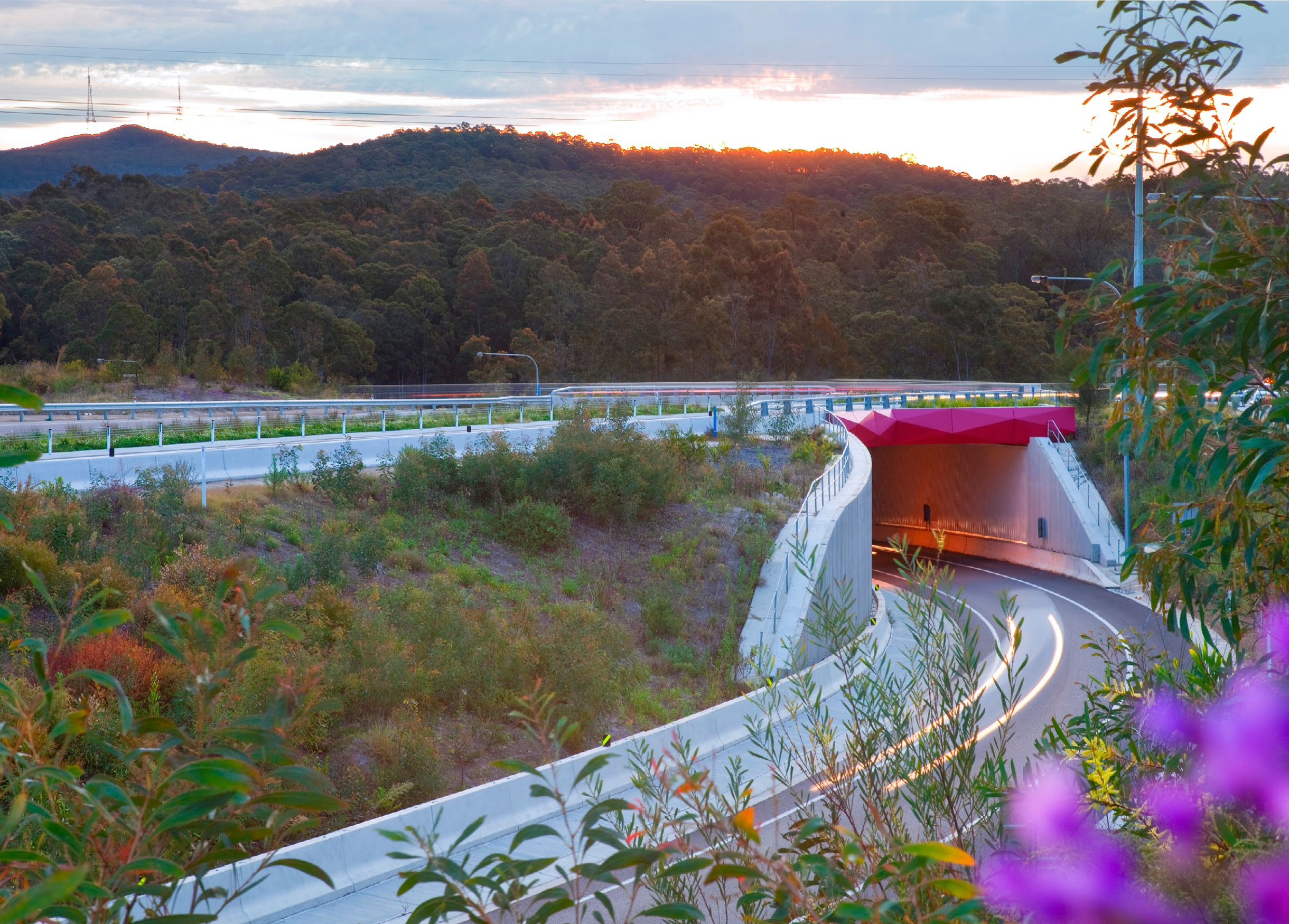
Holding the Line: How Vegetated Batters Can Shape Better Places, Not Just Better Slopes
Wherever land is reshaped, batters follow. Thoughtful vegetation design can turn these slopes into stable, low-maintenance landscapes that support ecology, safety and visual quality across many settings.

Planning Sydney for Growth That Feels Like Home
The Draft Sydney Plan sets a new direction for how Sydney grows over the next 20 years. This article explores what it means for planners, designers and councils shaping a more liveable, resilient city.

Plugging In Without Plugging Up Our Streets
EV charging is no longer just a technical problem. As chargers roll out street by street, their design and placement will shape how our public spaces look, feel and function. This piece examines how a place-led approach can ensure charging infrastructure enhances streets rather than cluttering them.

Committing to Inclusive and Sustainable design through the NSW Public Spaces Charter
Public spaces are an integral part of our urban landscape. They provide a sense of community, contribute to our well-being, and play a crucial role in making our cities more liveable. In recognition of their importance, the New South Wales Government has developed the NSW Public Spaces Charter. The charter aims to provide a framework for the creation and management of public spaces that are inclusive, safe, and accessible to all. Nangle Landscape Architecture is excited to be a signatory and supporter of this integral push for better public design.
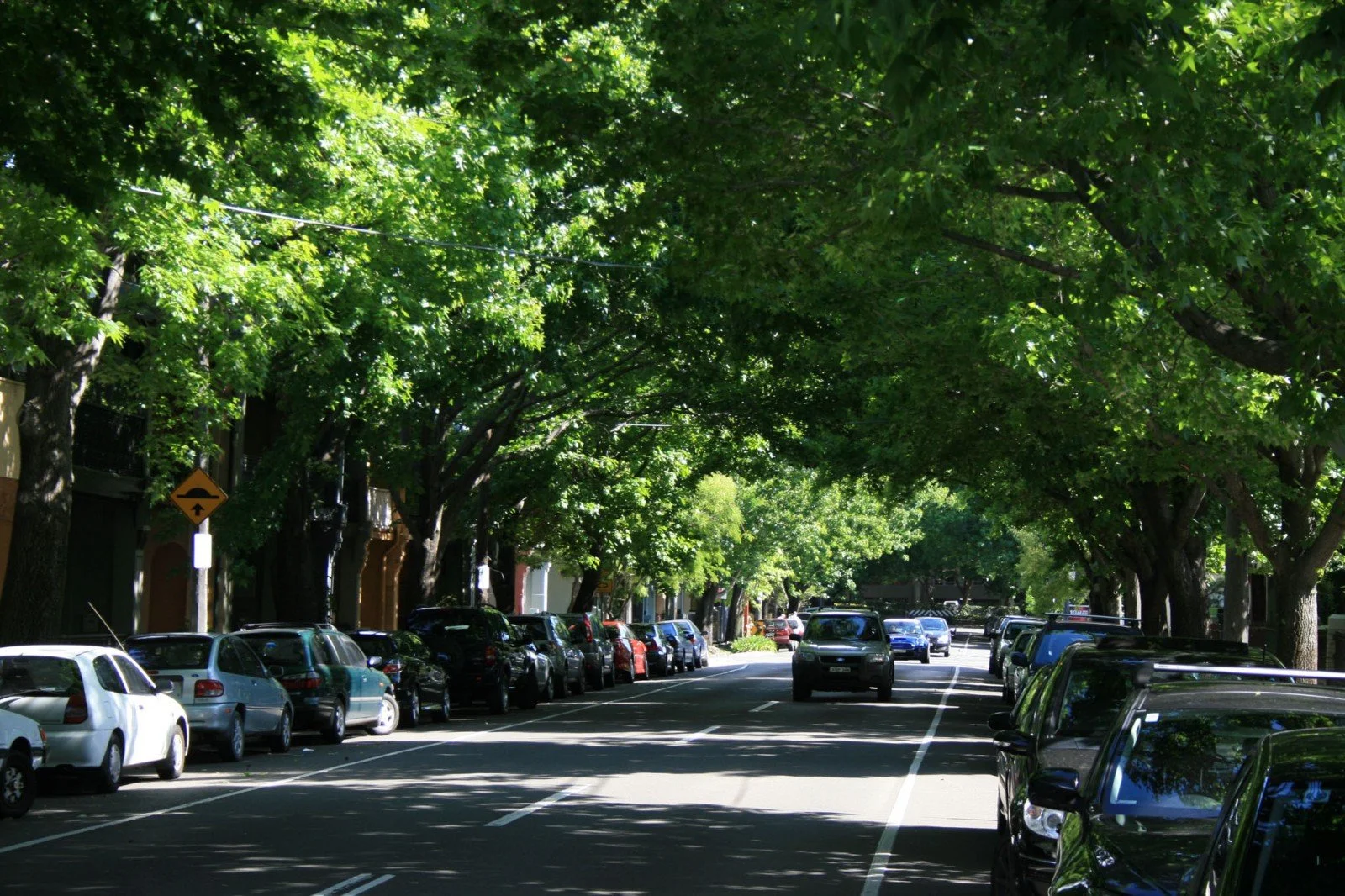
Study review: Growth of street trees in structural cells and structural soil
Innovations in urban soil technology, such as structural cells and structural soil, are changing the game for urban forestry. These solutions provide a way to create a healthy growing environment for street trees, allowing them to flourish and provide the many benefits that trees offer to urban communities. In this blog post, we'll explore the study "Growth of street trees in urban ecosystems: structural cells and structural soil" and its findings on the benefits of these technologies for street tree growth.

Balancing Urban Development with Street Tree Health: The Pros and Cons of Structural Soil and Soil Cells
As landscape architects, we understand the importance of ensuring the health and longevity of the trees we plant. One of the biggest challenges we face when planting trees in urban environments is providing adequate support and stability for their roots, especially in areas where space is limited. To meet this challenge, two common solutions are structural soil and soil cells. In this blog, we will explore the pros and cons of each approach, as well as some additional benefits that other solutions, such as porous pavements, tree grates, and root directing systems, can offer.

Mitigating Urban Heat with Tree Layout in Urban Green Spaces
While we often associate tree’s reduction of temperature with shade, the major influence of tree layouts on thermal comfort was found to be wind distribution, with low wind regimes created in the downstream area of trees. This study suggests that to improve thermal comfort, trees should be arranged downstream of wind to avoid low winds at the site. This information can be used by landscape architects to design urban green spaces that provide good thermal comfort for visitors during summer by properly arranging the trees in the space.

Creating Safe Havens: Innovative urban design Solutions for Women's Safety and Inclusion in Public Spaces
Good urban design plays a vital role in ensuring safety for women in public spaces. Gender biases in the distribution of power and entitlements, and long standing societal norms about the role of women in society, have historically led to public spaces that are not designed with women in mind. However, by taking a gender-sensitive approach to urban design, we can create spaces that are safe, welcoming and inclusive for all.

Enhancing the Basin: 3 Innovative Approaches to Improving Water Management, Habitat Protection, and Sustainability
As a landscape architect, one of my key focuses is to create functional and sustainable outdoor spaces for my clients and the community. Recently, I've had the opportunity to work on some large-scale residential developments along the Central NSW coast. These projects often require careful engineering of the landscape to create roads and infrastructure, which can have an impact on water permeability and local habitats.
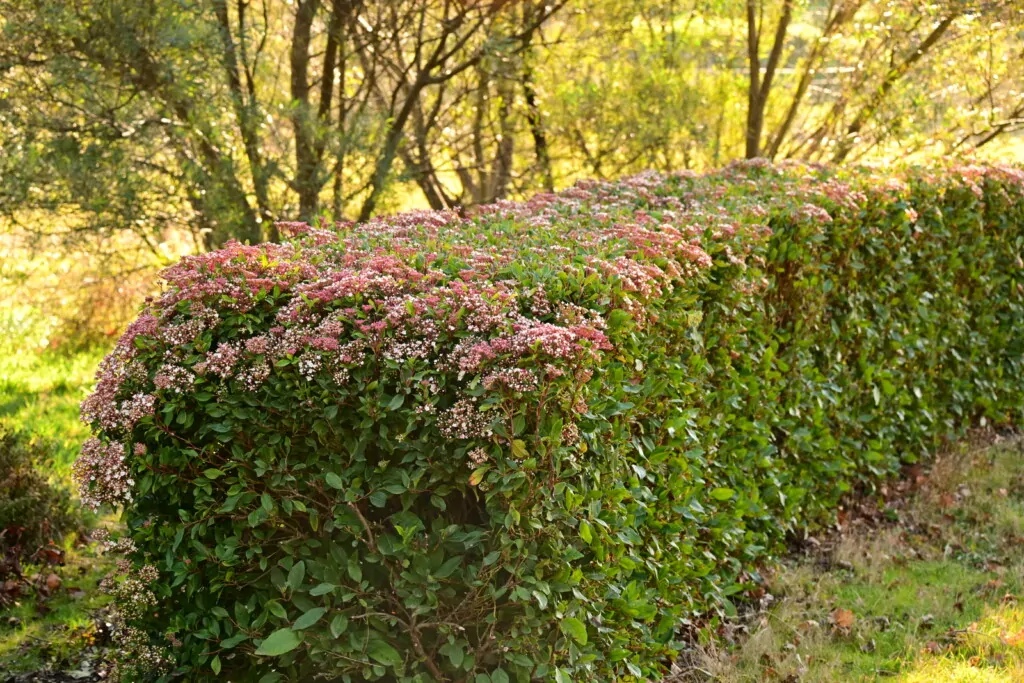
10 Native Shrubs suited to the central NSW climate, and 5 exotic alternatives
As a landscape architect in central New South Wales, clients frequently ask me to recommend shrubs that will thrive in our climate. While the best shrubs for any garden will vary according to the site's specific conditions, such as the amount of sun and shade, soil type, and irrigation availability, there are a few species that are well-suited to the climate and growing conditions of central New South Wales
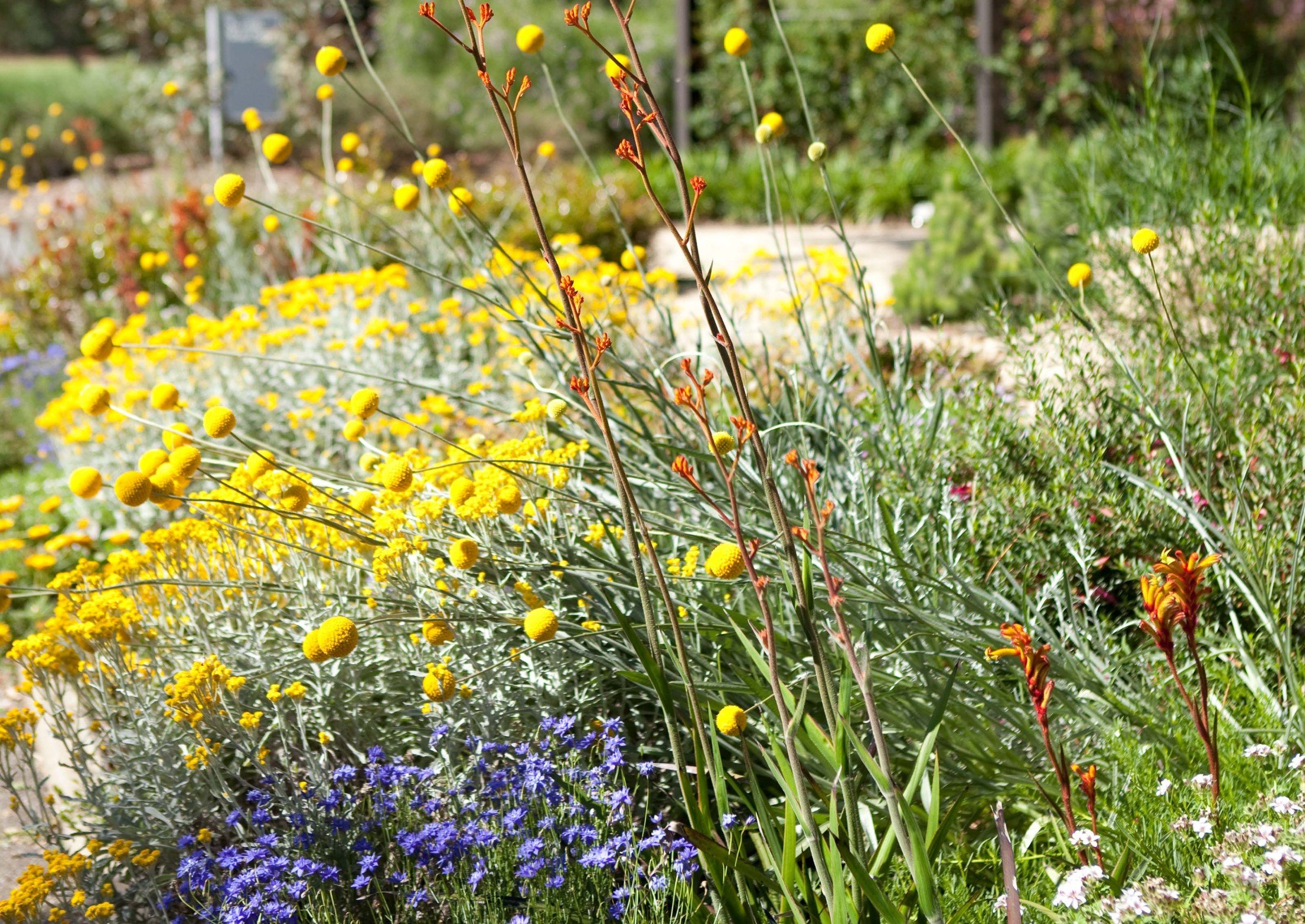
The Popularity of Native Species in Australia
There has been a surge of interest in the use of native species in landscaping and gardening in recent years. This is due not only to the aesthetic value of these plants, but also to their ecological and cultural significance. Many people across Australia are proud of their country's unique vegetation, and there is a movement to conserve and protect native ecosystems.

The 3 zones of wetland design
Recently, I have been working on some residential estates along the Central NSW coast. These large scale projects often require subtle engineering of the landscape to create roads, leading to reduced water permeability and potentially impacting local habitats. The provision of basins has a three-fold requirement; water quality management, interaction for residents & most importantly, providing habitat for wildlife.

Alternatives to pedestrian fencing in urban street design
The streetscape is not designed for cars alone - it is the pedestrians who create liveliness, interact with businesses, and gather within these spaces. Pedestrian movement should be designed and allowed for, rather than segregated to the sidelines.
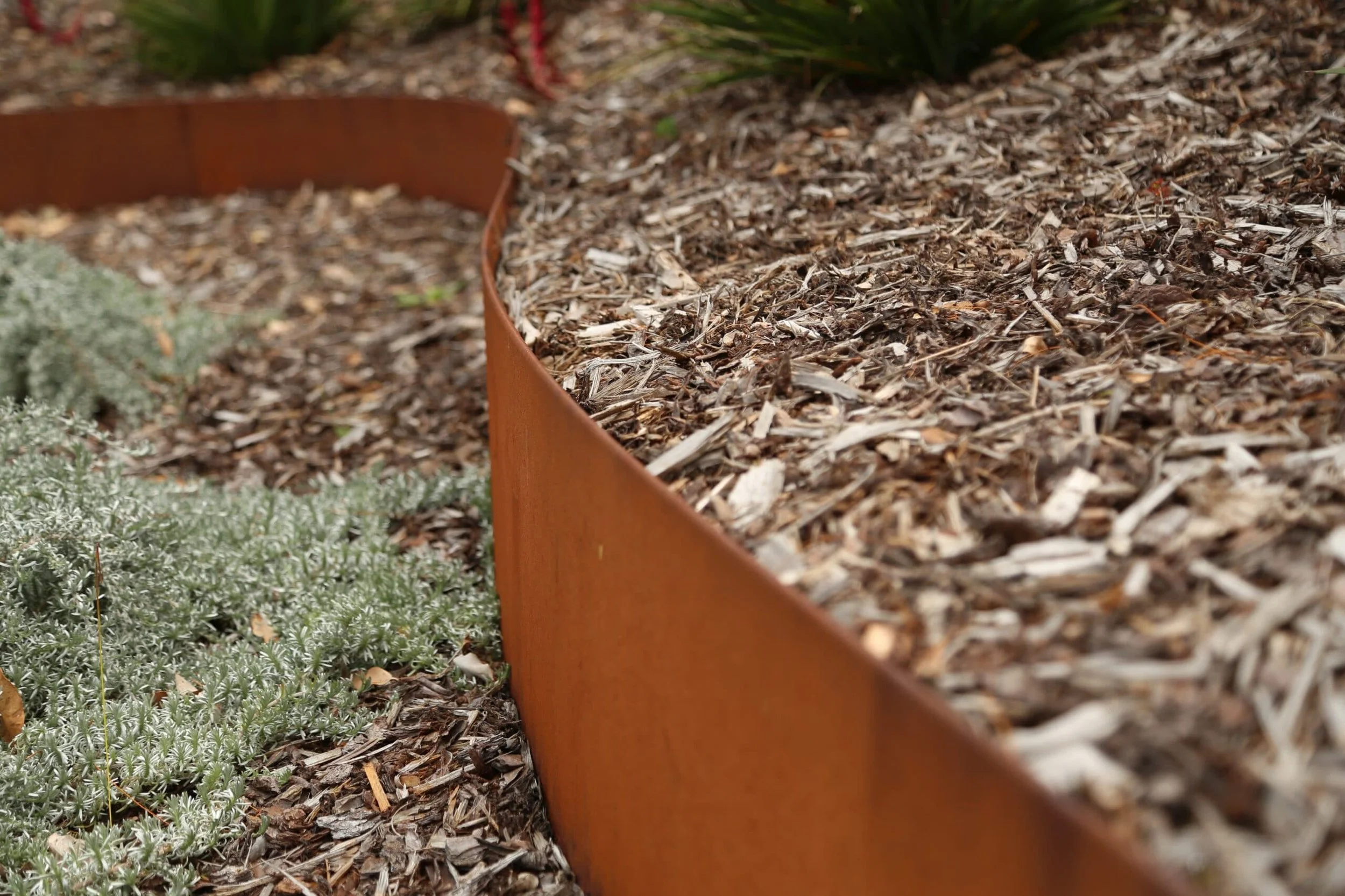
What garden edge is best for your backyard?
Garden edging is a relatively low-cost way to improve the appearance of an overgrown garden by defining the lawn and garden space and preventing plants from encroaching on the turf. A well-defined edge can improve garden longevity, outline spaces, and reduce maintenance.