Randwick’s Living Palette: Designing Streets and Parks That Feel Like Country
Randwick’s local plant palette can do more than “green” our streets. Used well, it can rebuild habitat, identity and everyday comfort.
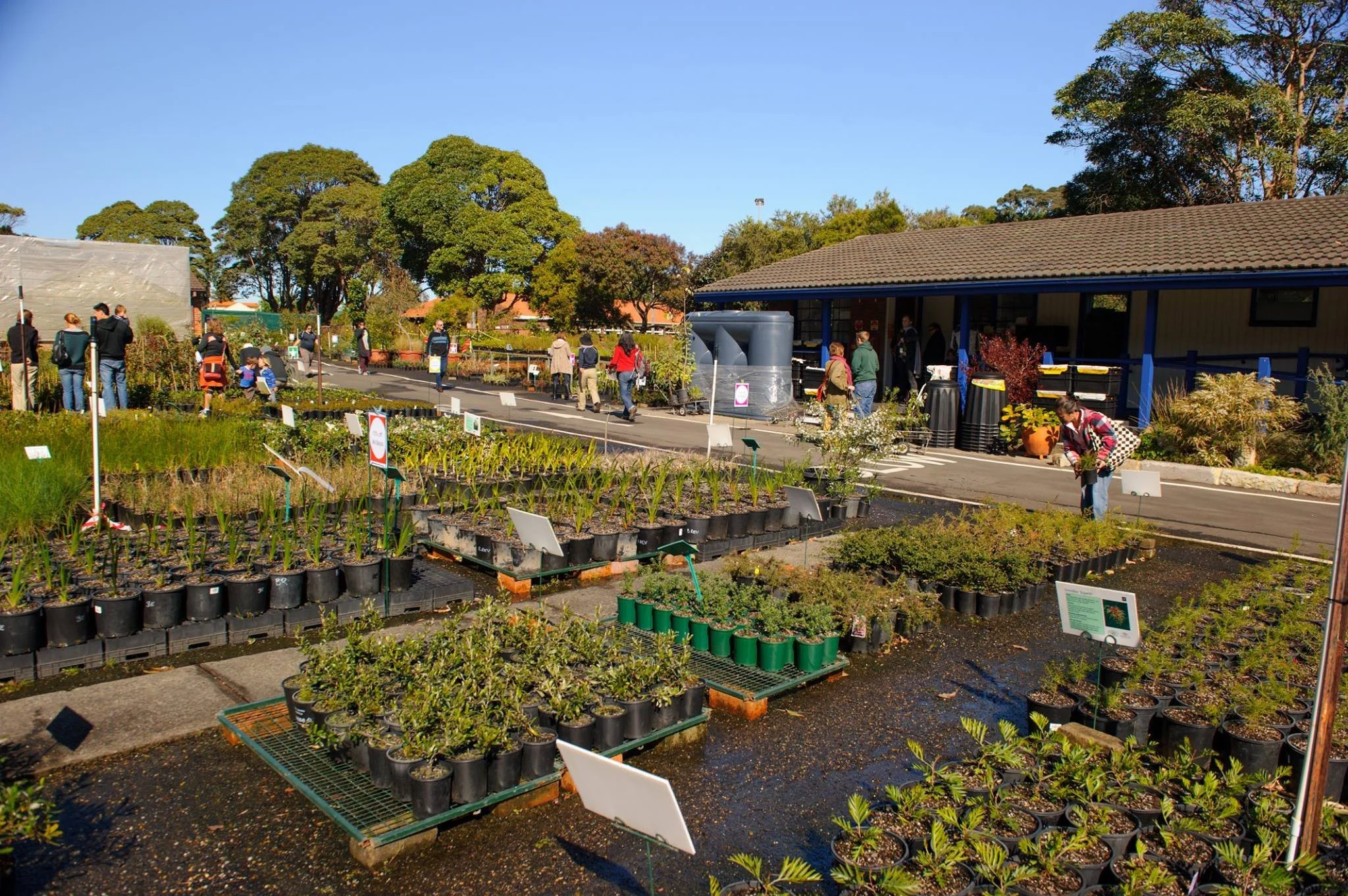
Walk through Randwick and you can still read the original landscape, even in fragments. A salt wind edge. A sheltered gully line. A ridge that wants to be dry, open and tough. Despite its urban footprint, the area holds an impressive richness of life, with remnant bushland and coastal habitat supporting hundreds of indigenous plant species and a wide range of birds, orchids, reptiles, mammals and frogs. Those pockets are not just “nice to have”. They are living reference sites, and they are also cultural and ecological memory.
The challenge for us is not whether to plant natives. The challenge is how to plant locals in a way that is legible, resilient, and suited to streets and parks that must work hard every day. That is where Randwick City Council's plant list becomes more than a procurement tool. It becomes a design brief.
At Nangle, we often talk about plant lists as a “palette with purpose”. The best outcomes happen when that palette is used with intention: to shape microclimate, support biodiversity, strengthen a sense of place and reduce whole-of-life risk.
As a practice now serving on the Randwick Design Excellence Advisory Panel for 2025–2027, we see firsthand how these decisions play out across streets and parks over time. Randwick City Council’s plant list gives a strong starting point because it already connects ecology, maintenance reality and local character.
The coastal frame: trees that hold the skyline
Randwick’s tree species read like a coastal toolkit. Banksia integrifolia (Coastal Banksia) and Banksia serrata (Old Man Banksia) anchor the dune and headland feel, cope with wind, and deliver nectar and shelter. Casuarina glauca (Swamp Oak) and Melaleuca quinquenervia (Broad-leaved Paperbark) speak to low points and damp soils, where water lingers and soil structure matters.
Then there are the big civic characters: Ficus rubiginosa (Port Jackson Fig) and Eucalyptus botryoides (Bangalay). These can carry streets, parks and forecourts when space is genuinely available. They can also create problems if forced into the wrong location, wrong soil volume, or wrong interface with paving and services. This is where good landscape architecture earns its keep. A tree choice is never only a botanical choice. It is a spatial choice, an access choice, a utility coordination choice, and a long-term maintenance choice.
A local palette does not mean every tree goes everywhere. It means the design responds to site conditions and function, then selects species that belong.
Understorey as structure, not decoration
Randwick’s shrubs and tussocks are where the real resilience often sits. Westringia fruticosa (Coast Rosemary), Correa alba (White Correa), Dodonaea triquetra (Hop Bush) and Acacia sophorae (Coast Wattle) can build strong edges and mid layers without constant input. They also help streets and parks feel “finished” earlier, which matters in highly visible public-domain projects.
Tussocks like Lomandra longifolia (Spiny Mat-rush), Dianella congesta (Blue Flax Lily) and Juncus usitatus (Common Rush) are often treated as default fillers. They should be treated as infrastructure. In the right locations they stabilise soil, hold mulch, filter runoff, and reduce weed pressure. In the wrong locations they can block sightlines, conceal hazards, and create ongoing complaints.
At Nangle, we like to map sightlines and movement first, then place midstorey and tussocks with the same care as lighting and seating. It is a simple discipline that avoids a lot of downstream rework.
Groundcovers and climbers that do real work
Randwick’s groundcovers and climbers are a quiet strength. Carpobrotus glaucescens (Pig Face) is a coastal performer that stabilises edges and copes with exposure. Dichondra repens (Kidney Weed) and Viola hederacea (Native Violet) can soften shaded places where turf struggles. Climbers like Kennedia rubicunda (Dusky Coral Pea), Hardenbergia violacea (Native Sarsaparilla) and Pandorea pandorana (Wonga Wonga Vine) can stitch structures to planting, provide seasonal interest, and improve habitat value.
Used properly, these species reduce the pressure to overbuild landscapes with hardscape. They can also make small, constrained sites feel rich, without increasing maintenance complexity.
Cultural knowledge as part of the brief
One of the most valuable aspects of Randwick City Council’s information is its recognition of local plants used by Aboriginal Australians for food, medicine and other purposes. This is not a styling layer. It is a prompt to design with respect, accuracy and care.
Plants such as Acmena smithii (Lilly Pilly), Carpobrotus glaucescens (Pig Face), Lomandra longifolia (Mat-rush) and Melaleuca quinquenervia (Paperbark) are not only ecological performers. They sit within deep knowledge systems about seasonality, use, making and healing. That knowledge must be handled properly. The role of a project team is to create space for Aboriginal cultural engagement, and to work with local Aboriginal people and knowledge holders in a way that is appropriate to Country and community.
In practical terms, this can mean co-designed interpretive elements, careful species placement in education settings, or supporting nursery propagation of culturally significant plants. It can also mean knowing when not to tell a story, and when to keep it simple.
Biodiversity in a city: the threats are familiar, the response must be deliberate
Randwick’s biodiversity faces the same pressures seen across metropolitan Sydney: habitat loss, fragmentation, weeds, changes to water and soil conditions, and impacts from feral and domestic animals. In design terms, these threats show up as small, isolated bushland patches, edge disturbance, inappropriate garden escapes, and landscapes that do not hold up under urban stress.
Randwick City Council's plant list helps, but it cannot do the job alone. The list must be paired with good spatial planning: links between patches where possible, buffers where necessary, and planting that supports habitat without creating conflict with safety, access or surveillance.
This is where Nangle’s approach tends to focus: making planting do multiple jobs. A good planting scheme can improve shade and thermal comfort, reduce erosion, reduce weed incursion, support fauna, and lift everyday amenity. The trick is to keep it legible and maintainable so it survives the handover from capital works to operations.
A simple way to use the plant list as a design tool:
You do not need a complicated framework to get value from this palette. Three moves usually help:
Start with site types, not species: Coastal edge, sheltered gully, open parkland, streetscape verge, rain garden, forecourt. Match the planting logic to the place.
Design the structure first: Canopy, midstorey, ground layer. Decide what needs to stay low for sightlines and what can grow big with confidence.
Use repetition for identity: A local palette becomes “Randwick” when it is repeated with discipline. Too much variety reads as generic. Carefully repeated species read as place.
This is the kind of thinking that translates well into council design manuals and standard details. It also supports council nurseries and supply chains, because demand becomes predictable and propagation becomes more feasible.
The point is not just biodiversity. It is belonging.
Local plants are a practical response to local conditions, but they also do something harder to measure. They make places feel like they belong where they are. A streetscape with Sydney Peppermint (Eucalyptus piperita) and Coast Rosemary reads differently to one built from a generic palette. A park edge built with Swamp Oak and Paperbark feels like it knows the groundwater story. A shaded pocket softened with Native Violet invites people in, quietly.
If you want open spaces that feel grounded, not imported, Randwick City Council’s plant list is a strong guide. The opportunity is to treat it as a living design resource, not a checkbox.
Check out the Randwick Community Nursery