Designing a Successful Community Garden: Key Factors for a growing community
Recently, I have had the opportunity to work on a Community Garden design as part of a pro-bono agreement with a local community group. As a landscape architect, we have the opportunity to create beautiful and functional community spaces that bring people together and promote a sense of community. Community gardens are a great example of such spaces, and they offer a unique set of challenges and opportunities. To create a successful community garden, there are several key factors that you should consider in the design process.
Site Analysis: Understanding the local climate, soil conditions, and topography of the site is essential in determining what types of plants and garden beds will thrive. Understanding the existing ecosystem, including the presence of wildlife, will also inform your design decisions.
Topography: The natural features of the site, including slopes, elevations, and drainage patterns. A flat site may be preferred for accessibility and ease of maintenance.
Soil: The type and quality of soil, which may affect plant selection and soil health. A site with well-drained soil that is rich in organic matter is desirable for growing plants, but may be overcome through the use of raised planters and imported soils.
Climate: The regional climate, including average temperature, precipitation, and wind patterns. A site with moderate temperatures and adequate rainfall may be best for growing a variety of plants.
Hydrology: The water sources, drainage patterns, and water table levels on the site. A site with access to irrigation water and proper drainage is important for maintaining healthy plants.
Sun exposure: The amount and duration of sunlight, which affects plant growth and the use of outdoor spaces. A site with ample sunlight is ideal for growing a variety of plants, but shaded areas may also be desirable for community gathering spaces.
Existing vegetation: The existing plant life, which can impact the site and inform plant selection. A site with existing vegetation can provide habitat for wildlife, and the existing plants can inform plant selection for the garden.
Site constraints: Any physical, regulatory, or cultural constraints that may affect the design, such as existing structures, zoning regulations, or cultural considerations. A site with few structures, retaining walls or level changes may be more suitable for a community garden, as it provides more design flexibility.
When designing a community garden, a landscape architect would consider the several factors listed above through an analysis plan, or opportunities and constraints diagram. The most suitable site for a community garden will depend on the specific goals and context of the project. A flat site with well-drained soil that is rich in organic matter, moderate temperatures, adequate rainfall, access to irrigation water, ample sunlight, and few physical or regulatory constraints may be preferred. However, a site with shaded areas and existing vegetation can also provide desirable features, such as habitat for wildlife and community gathering spaces.
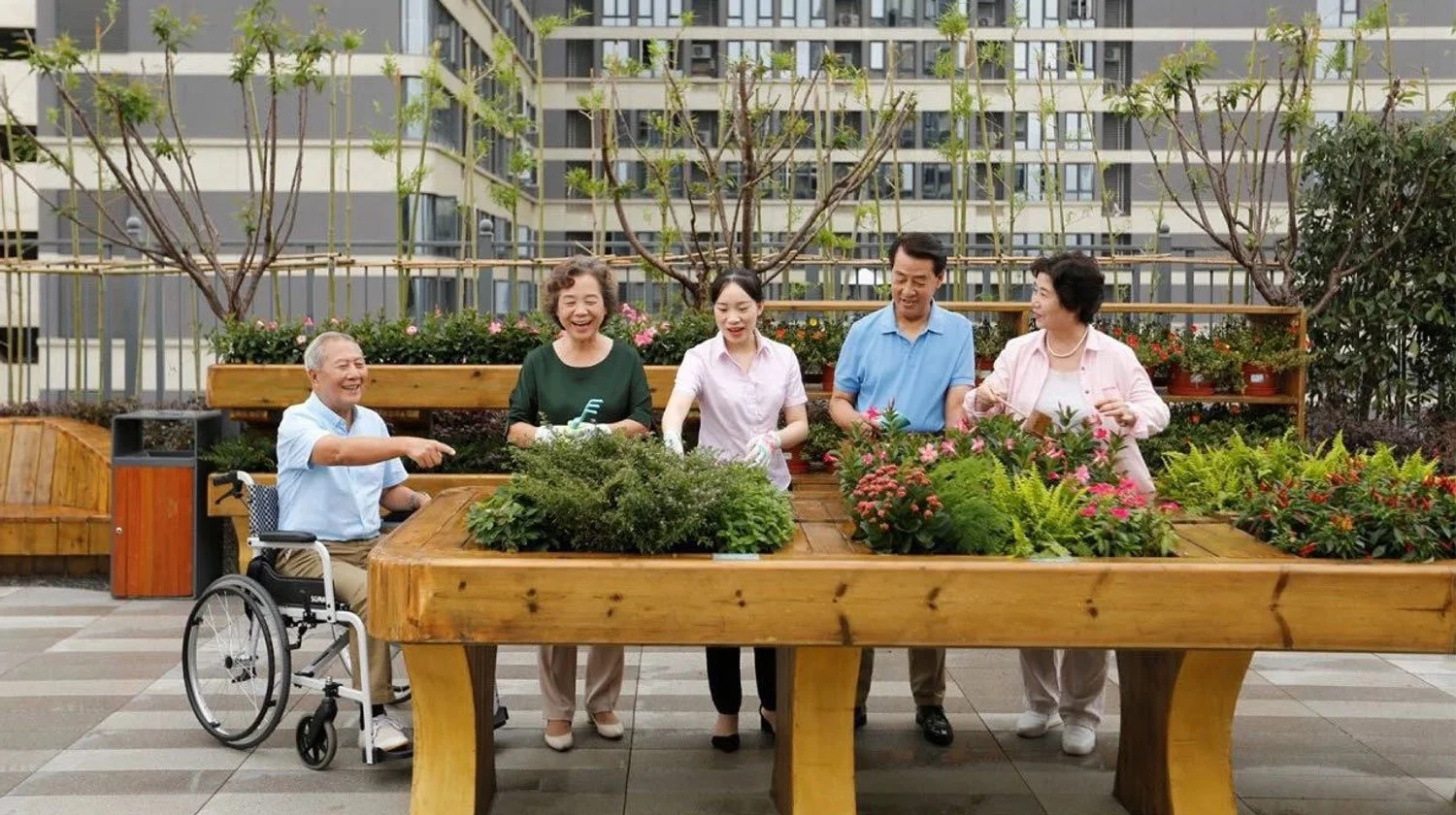
Yinian Rooftop Garden for Seniors
User Needs and Preferences: Understanding the needs and preferences of the community is critical in ensuring that the garden meets the needs and interests of the community. Consider factors such as age, culture, and physical abilities when designing garden beds and features.
Purpose of the garden: The intended use of the garden, such as growing food, promoting environmental education, or hosting community events, can influence the design and layout of the garden.
User preferences: The preferences of the community regarding the design of the garden, such as the type of plants they would like to see, the type of community spaces they desire, etc.
Cultural significance: Certain plants may have cultural significance or be associated with specific cultural traditions. For example, some communities may prefer to have traditional medicinal plants or plants used in religious ceremonies.
Familiarity: People may be more likely to prefer plants that they are familiar with or that have personal meaning to them. For example, a community with a strong First Nations heritage may prefer to have traditional native edible plants in their garden.
Food preference: The food preferences of a community may influence the type of edible plants they prefer in their garden. For example, a community with a strong Asian heritage may prefer to grow Asian vegetables such as bok choy or water spinach.
Aesthetics: A community's cultural background may influence their preferences for certain plant forms, colours, or textures. For example, a community with a strong Islamic heritage may prefer to have plants with symmetrical forms and repeated patterns.
By understanding the cultural background of a community, a landscape architect can design a garden that incorporates plants that have cultural significance, personal meaning, or aesthetic appeal to the community, promoting a sense of ownership and connection to the garden. This can increase the likelihood that the garden will be well-used and well-maintained over time.
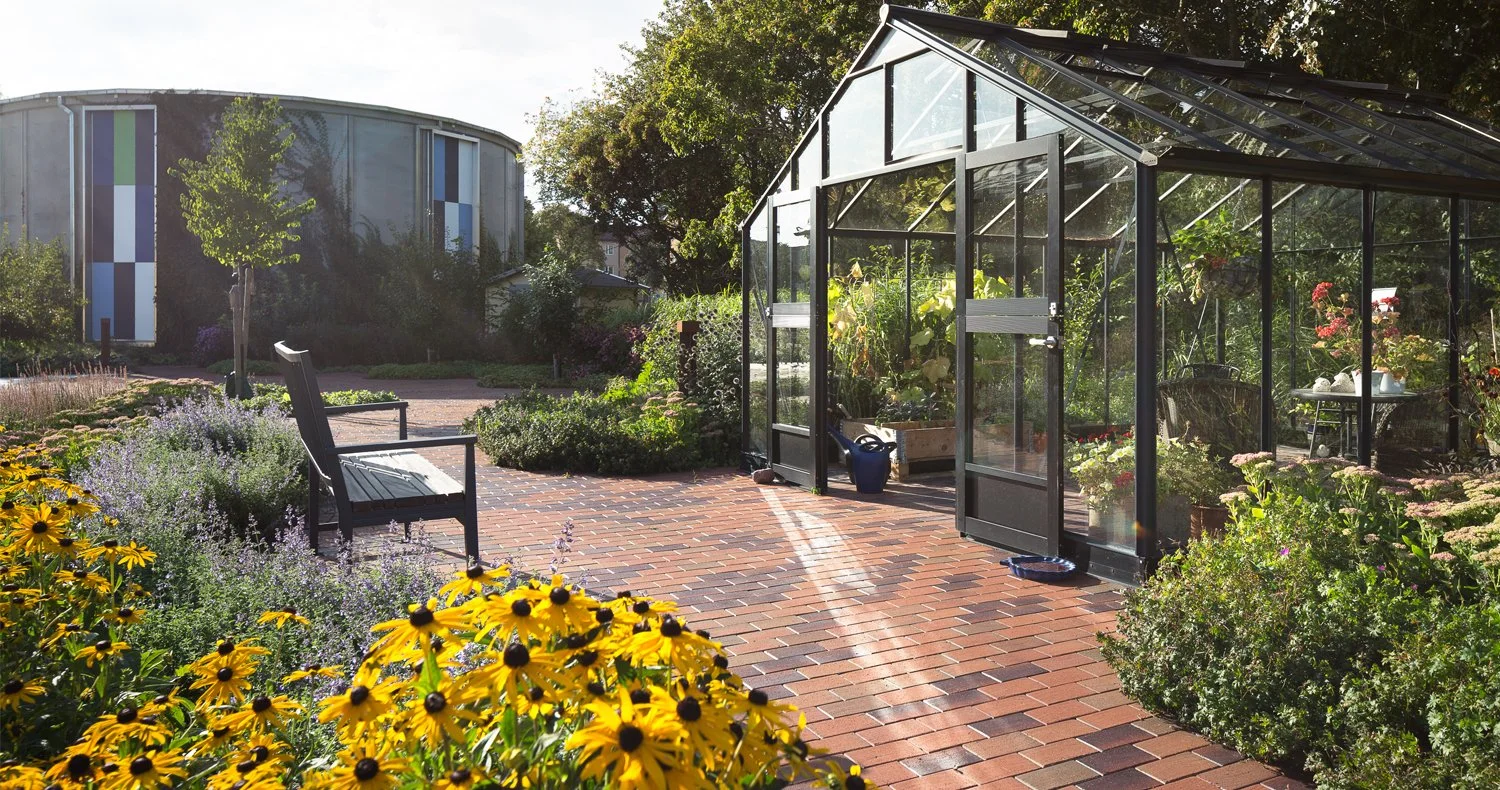
Department for Palliative Care - Topia Landscape Architecture
Accessibility: Making the garden accessible to everyone is important in promoting community involvement. Consider the design of paths, ramps, and garden beds to ensure accessibility for all users.
Physical accessibility: The garden should be designed to be accessible to people of all ages, abilities, and mobility levels. This may include the provision of ramps, accessible paths, and adequate space for manoeuvring.
Transportation: The garden should be located near public transportation to ensure it is accessible to the widest variety of demographics in addition to providing adequate parking for those disabled, community buses, or for general maintenance.
Site circulation: The paths within the garden should be designed to be easy to navigate and free of barriers. At least one loop of the gardens should be wheelchair accessible, allowing access to a majority of garden beds, tools, shed etc. Ancillary paths may be made of other loose ground alternatives, if budgets does not allow for accessible paving.
Access to amenities: The garden should provide access to amenities such as seating, shade structures, restrooms, and community gathering spaces.
Safety: The garden should be designed to promote safety for all users, including features such as lighting, fencing, and clear sight lines.
By considering accessibility in the design of a community garden, a landscape architect can ensure that the garden is usable and accessible to all members of the community, regardless of their physical abilities or mobility. This can increase the likelihood that the garden will be well-used and well-loved by the community.
Sustainability: Incorporating sustainable practices into the design of the garden is important in reducing the environmental impact of the garden. Consider using composting systems, such as worm farms, and using everyday waste products to improve soil fertility. Other sustainable practices include rainwater harvesting, and using native plants that are adapted to the local climate.
Water conservation: The garden should be designed to minimise water waste, using drought-tolerant plants, mulch, and irrigation systems that conserve water. A community garden can collect and store rainwater for use in the garden, reducing the need for municipal water and conserving resources.
Soil health: The garden should promote healthy soil, using techniques such as composting and cover cropping to maintain soil fertility.
Pest management: The garden should employ integrated pest management techniques that minimise the use of chemical pesticides and promote the use of natural pest control methods.
Energy efficiency: The garden should use energy-efficient technologies, such as renewable energy sources, to reduce its carbon footprint.
Waste reduction: The garden should minimise waste by composting organic matter and promoting the use of reusable materials. Everyday waste products, such as coffee grounds, fruit and vegetable scraps, and yard waste, can be composted and used to improve soil health and fertility. This not only reduces waste, but also provides a source of organic matter for the garden.
Worm farms: Worm farms are a sustainable way to compost organic matter and generate rich, nutrient-dense compost for use in the garden. This compost can improve soil health and fertility, reducing the need for chemical fertilisers.
Biodiversity: The garden should promote biodiversity by incorporating a variety of plant species and promoting the use of native plants. The use of native plants in the garden can reduce water usage and promote biodiversity, as native plants are adapted to local growing conditions and require less maintenance. This can be further enhanced by incorporating wildlife habitats, such as bird houses and butterfly gardens, to promote biodiversity and sustainability.
Recycled materials: The use of recycled materials in garden construction, such as recycled wood for raised beds or recycled tires for retaining walls, can reduce waste and promote sustainability.
Solar power: Incorporating solar panels or other forms of renewable energy in the community garden can reduce energy usage and promote sustainability. While traditional solar panels have a significant cost associated with them, government grants may assist with making them a viable addition to a community garden. This will be further explored below.
By considering sustainability in the design of a community garden, a landscape architect can create a garden that is environmentally friendly and economically feasible, promoting the long-term health of the garden and the surrounding community.
Budget and Maintenance: Consider the long-term maintenance and upkeep of the garden, and allocate budget accordingly. Consider seeking grant funding and other financial resources to help with maintenance costs.
Budget: The budget for a community garden will impact the materials and resources that can be used in the garden's design and construction, as well as ongoing maintenance costs. The landscape architect must consider the cost of materials, labour, and equipment when designing the garden, and must ensure that the budget is realistic and feasible.
Government grants: Federal, state, and local governments may offer grants for community garden projects, particularly in the areas of sustainability, urban agriculture, and community development.
Corporate sponsorships: Local businesses and corporations may provide financial support or in-kind contributions for community garden projects.
Community fundraising: Communities can organise fundraising events, such as benefit concerts or community festivals, to raise money for community garden projects.
Maintenance: Maintenance is an ongoing aspect of community gardens, and it is important to consider the resources and skills required for ongoing upkeep. This includes tasks such as watering, weeding, pruning, composting, and pest management. A community garden must have a plan for maintenance and must allocate the necessary resources and manpower to ensure that the garden remains functional and attractive over time.
By considering budget and maintenance in the design and implementation of a community garden, the landscape architect can ensure that the garden is economically feasible and sustainable over the long term, promoting the health and well-being of the surrounding community. It is important for communities to research and apply for grants and other funding sources in a timely and professional manner, and to have a clear and compelling proposal that outlines the benefits and impact of the community garden project. Additionally, communities can seek advice and assistance from local organisations and government agencies that support community gardens and urban agriculture.
A landscape architect can help support a community in the application for a grant. Landscape architects can develop concept design plans, costing information and assist in writing a compelling grant proposal.
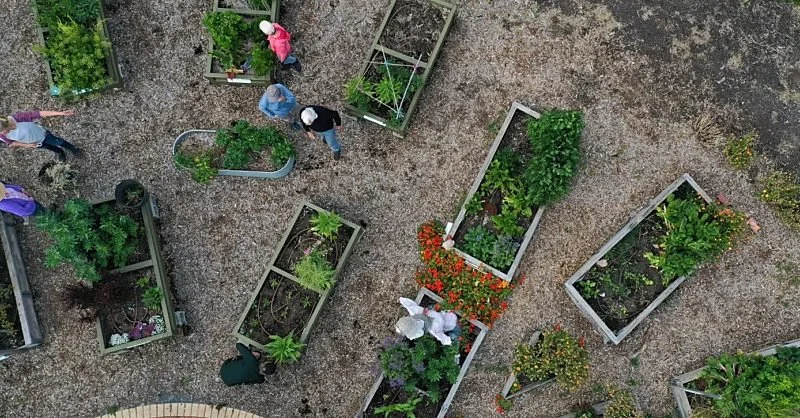
City of Marion Community Garden
Aesthetics: A community garden should be aesthetically pleasing and promote a sense of community. Consider the design of garden beds, paths, and features such as picnic tables and benches to create a cohesive and attractive space.
Visual appeal: Aesthetic elements such as colour, texture, and form can enhance the visual appeal of a community garden, creating a harmonious and attractive environment that people enjoy spending time in.
Materials: The choice of materials, such as wood, stone, or metal, can impact the overall aesthetic of a community garden, and can be used to create a range of moods and styles, from rustic to modern.
Plant selection: The selection of plants and flowers can greatly impact the aesthetic of a community garden, adding colour, texture, and interest to the garden throughout the year.
Layout: The layout and arrangement of elements within a community garden, such as garden beds, seating areas, and pathways, can impact the overall aesthetic of the garden, and can be designed to encourage interaction and enjoyment of the space.
By considering the aesthetics of a community garden, a landscape architect can create a space that is visually appealing, engaging, and well-loved by the community, promoting health and well-being, and creating a sense of place and community pride.
Functionality: Consider the functionality of the garden, including the provision of sheds and other storage spaces, as well as fencing to protect the garden from pests and wildlife.
Garden beds: Garden beds should be designed for ease of use and accessibility, with appropriate widths and heights for planting and tending to plants, and with adequate space for tools and supplies.
Irrigation: An efficient irrigation system should be incorporated into the design of a community garden, to ensure adequate water for plants and to reduce the time and effort required for watering.
Storage: Adequate storage space, such as sheds or containers, should be provided for tools, supplies, and excess produce, to keep the community garden organised and functional.
Pathways: Pathways should be designed for accessibility and ease of movement, with a safe and stable surface and appropriate widths for wheelchair and mobility device access.
Seating areas: Seating areas should be incorporated into the design of a community garden, providing spaces for rest, socialising, and enjoying the garden.
By designing a community garden with functionality in mind, a landscape architect can create a space that is easy and enjoyable to use, promoting health and well-being, and encouraging community involvement and engagement.
Safety: Safety should be a top priority when designing a community garden. Consider fencing options to ensure the safety of gardeners, and ensure that paths and garden beds are well-lit and maintained.
Lighting: Adequate lighting should be provided in the community garden, to ensure safe and secure use of the space during all hours, and to deter crime.
Fencing: Fencing should be used to demarcate the boundary of the community garden, and to provide security for the garden and its users.
Pathways: Pathways should be designed for safety, with slip-resistant surfaces, appropriate widths, and clear sight lines to minimise tripping hazards.
Pest control: Pest control measures, such as traps or deterrents, should be incorporated into the design of the community garden, to minimise the risk of injury to garden users. While difficult to eliminate entirely pests, such as rabbits or possums can be reduced through wire fencing with a small aperture. Pests, such as slugs and snails can be reduced by including copper tape barriers.
Emergency access: Emergency access should be provided to the community garden, to ensure that emergency services can quickly reach the space in the event of an emergency.
By considering safety in the design of a community garden, a landscape architect can create a space that is secure and welcoming, promoting health and well-being and encouraging community involvement and engagement.
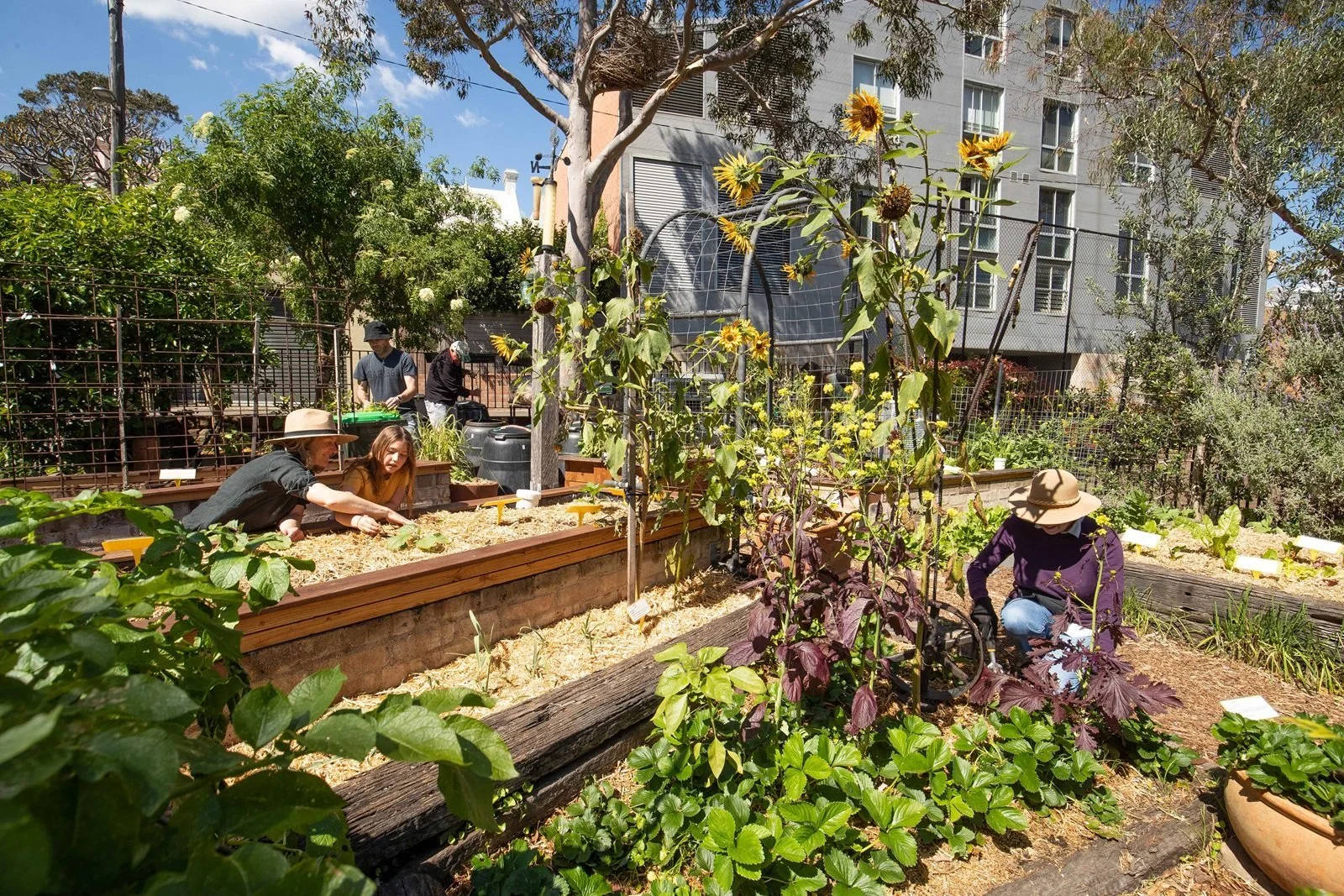
Charlie’s Garden, City of Sydney
Community Involvement: Encouraging community involvement is key to ensuring the success of a community garden. Community gardens are increasingly recognised as important social infrastructure across metropolitan Sydney, from established centres such as Parramatta and Chatswood through to newer growth areas in Western Sydney. Consider organising events, offering educational opportunities, and providing volunteer opportunities to help engage the community. Some ways to promote community involvement in a community garden include:
Encouraging participation: Encourage community members to participate in the design process, and involve them in decision-making about the types of plants, garden beds, and features that will be included in the garden.
Organising events: Organise events such as workshops, planting days, and community gatherings to bring people together and promote a sense of community.
Offering educational opportunities: Offer educational opportunities, such as classes or workshops, to teach community members about gardening techniques, composting, and sustainable practices.
Providing volunteer opportunities: Provide opportunities for community members to volunteer their time and skills, such as garden maintenance, plant care, and community events.
Sharing resources: Share resources, such as tools, seeds, and information, to help community members be successful in their gardening efforts.
Encouraging social interaction: Encourage social interaction, by designing spaces for community members to gather, such as picnic tables, benches, and community bulletin boards.
By engaging the community in the design and maintenance of the garden, the community garden can become a thriving and vibrant community space, and a source of pride for the community.
By considering these key factors, you can create a successful community garden that is functional, sustainable, and beautiful. By bringing people together and promoting a sense of community, you can help to create a space that is loved and cherished by all.
At Nangle Landscape Architecture, we are passionate about designing spaces that not only look beautiful, but also serve a greater purpose in bringing people together and fostering a sense of community. We have experience in designing and implementing community gardens of various sizes and types, and are always eager to take on new projects that align with our values. If you are considering creating a community garden in your area, we would love to hear from you and work together to bring your vision to life. Contact us today to learn more about our services and how we can help make your community garden a success.